Delhi Metro to document its milestones; invites tenders for videography, media services
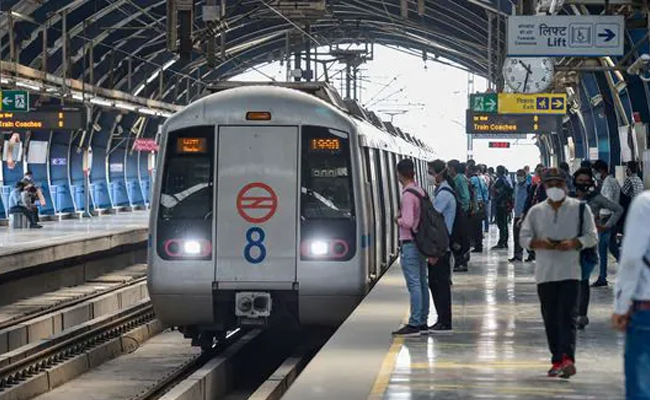
New Delhi (PTI): The Delhi Metro Rail Corporation (DMRC) has decided to film its key events, construction milestones and official programmes, inviting tenders from agencies for comprehensive videography and related media services.
DMRC on Tuesday invited tenders for empanelment of professional agencies to provide videography, video documentation, editing and allied services for events organised at its corporate office and across National Capital Region, officials said.
The scope of work includes coverage of official events, press conferences, visits by dignitaries, operational milestones and activities at both constructed and under-construction metro sites, DMRC said, adding that agencies will be required to work in close coordination with its communications department.
DMRC stated that videography assignments may involve single or multi-camera setups in Full HD and 4K resolution, preparation of electronic press releases, short films, documentaries, animations and voice-over narration, depending on official requirements.
As per the tender conditions, agencies must be capable of responding to assignments at short notice, including within one hour in urgent cases, and ensure timely delivery of raw footage and edited material, often by the next day.
Highlighting operational responsibilities, DMRC said the agencies will be solely responsible for the safety of its staff and assets while covering assignments at depots, project sites and operational areas, and the corporation will not be liable for any loss or damage to equipment.
The estimated cost of the proposed videography and media services project is Rs 64.80 lakh, based on the average annual value of the previous empanelment, the DMRC said, adding that the last date to submit bids is January 16.
DMRC further said the contract may be awarded for a period of three years and can be extended by up to two additional years on mutually agreed terms, while reserving the right to terminate the agreement in case of delays or failure to meet prescribed quality standards.
Let the Truth be known. If you read VB and like VB, please be a VB Supporter and Help us deliver the Truth to one and all.
4 workers die after being buried under coal slurry in Jharkhand's Dhanbad
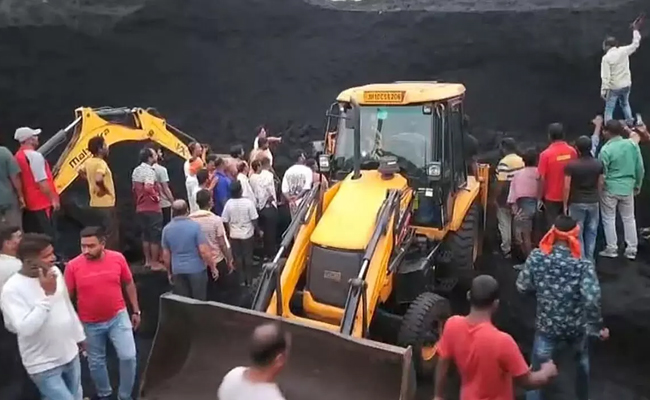
Dhanbad (Jharkhand) (PTI): At least four workers died after being buried under coal slurry in Jharkhand's Dhanbad district on Saturday, a police official said.
The incident took place at Moonidih coal washery in the command area of Bharat Coking Coal Limited (BCCL).
"Bodies of all four workers were dug out of debris during a rescue operation," Putki police station in-charge Waqar Hussain told PTI.
The incident took place when coal slurry was being loaded into trucks by workers, during which a large chunk of slurry fell and trapped several workers underneath, officials said.
The deceased have been identified as Manik Bauri, Dinesh Bauri, Deepak Bauri, and Hemlal Gope.
Meanwhile, the family members of the deceased and local villagers placed the bodies in front of the washery gate and began a protest.
They demanded compensation, jobs for dependents and action against those responsible for the incident.
Police and administration officials are trying to pacify the protesters, an official said.