India’s crude oil import dependency hits record high, likely to rise further
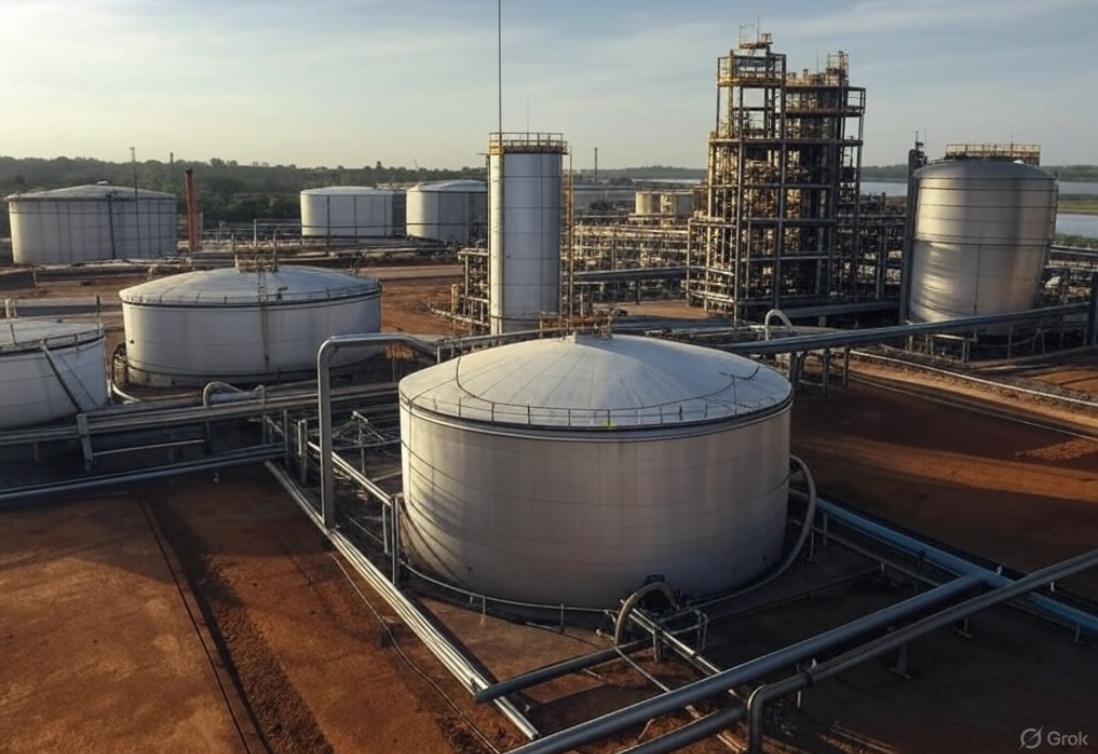
India’s dependence on imported crude oil reached 88.2% in the first 11 months of the current financial year (FY25), surpassing last year’s levels and indicating a potential all-time high for the full fiscal year. Data from the Petroleum Planning & Analysis Cell (PPAC) of the oil ministry shows an increase from 87.7% in the same period of FY24 and 87.8% for the entire FY24.
The rising dependency on imports is driven by growing energy demands across sectors, including transportation, petrochemicals, and aviation, while domestic crude oil production remains stagnant. India’s oil import reliance has steadily increased over the years, except for FY21, when COVID-19 slowed demand.
Government efforts to reduce import dependency, including policy reforms and incentives for domestic oil exploration, have had limited success. The Oilfield (Regulatory and Development) Amendment Bill, recent biofuel blending initiatives, and electric mobility promotion have yet to significantly curb petroleum demand growth.
India imported 219.9 million tonnes of crude oil between April and February, up from 213.4 million tonnes in the same period last year. Meanwhile, domestic oil production declined to 26.2 million tonnes from 26.9 million tonnes. With domestic crude oil covering only 11.8% of total petroleum product consumption, self-sufficiency remains low.
The country’s crude oil import bill for the April-February period stood at $124.7 billion, a nearly 3% increase year-on-year. As the world’s third-largest consumer and a key importer of crude oil,
India’s demand is expected to continue rising, with petroleum product consumption projected to grow by 4.7% in FY26, reaching 252.93 million tonnes. Refinery capacity is set to expand further, with the country’s current capacity standing at nearly 257 million tonnes per annum.
Let the Truth be known. If you read VB and like VB, please be a VB Supporter and Help us deliver the Truth to one and all.
KSCA expresses disappointment over missing IPL playoffs, says it was ready to host matches in B’luru
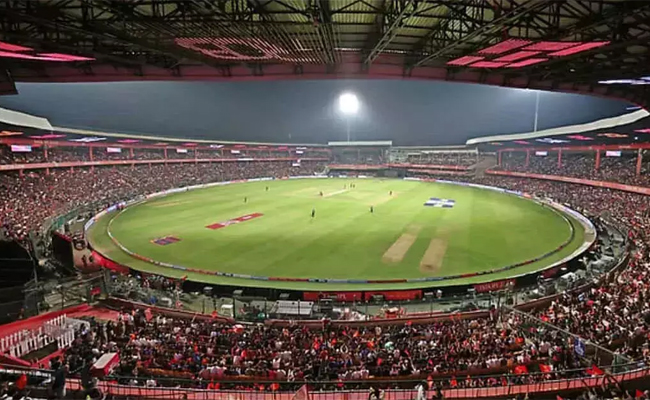
Bengaluru: The Karnataka State Cricket Association (KSCA) has issued a clarification stating that it was fully prepared to host the IPL playoffs and final matches in Bengaluru but the fixtures were allotted to other venues.
In a media note, KSCA said it was disappointed with the decision. The association stated that its president, former India cricketer Venkatesh Prasad, had been in touch with the Board of Control for Cricket in India (BCCI) and had formally conveyed the association’s readiness and interest in hosting the matches at the M. Chinnaswamy Stadium.
KSCA said the IPL matches held in Bengaluru this season were appreciated for smooth conduct, crowd management and overall experience for spectators. It said this reflected its ability to handle high-profile matches.
The association also stated that it had sent a detailed communication to the BCCI explaining its preparedness and the operational arrangements followed during the current IPL season. According to KSCA, these systems have been in place since the start of the Indian Premier League in 2008 and were followed consistently, including during previous playoff matches hosted in Bengaluru.
The clarification added that the communication sent to the BCCI was only meant to provide factual and operational details and to bring clarity on logistical and stakeholder-related requirements involved in hosting such matches.
KSCA said that although it had shown willingness and preparedness, the BCCI has decided to allocate the playoff matches to other venues. It added that the reasons for this decision have not been formally shared with the association, but it respects the authority of the board in taking such decisions.
The association further said it remains ready to host matches of national and international importance and will continue to cooperate with the BCCI, franchises, government authorities and other stakeholders for conducting cricket events.
The statement was issued by KSCA official spokesperson Vinay Mruthyunjaya, who also thanked the media and cricket fans for their continued support.