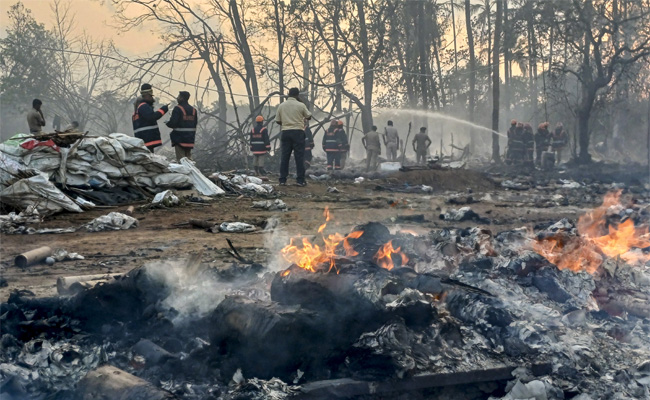
Porsche car crash case exposed systemic corruption: Pune police commissioner
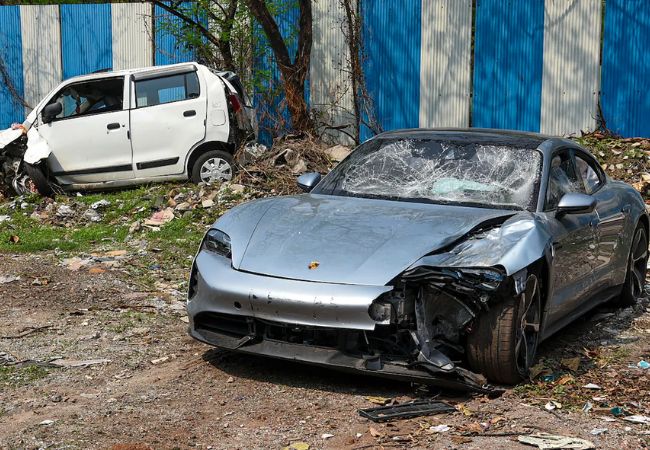
Pune (PTI): The Porsche car crash case exposed "systemic corruption," but the Pune Police have successfully uncovered the nexus behind the replacement of the accused juvenile's blood samples with those of his mother, Police Commissioner Amitesh Kumar said on Wednesday.
The case made national headlines after the high-end car allegedly driven by the 17-year-old boy in an inebriated state mowed down motorcycle-borne IT professionals Anish Awadhiya and Ashwini Costa in the Kalyani Nagar area on May 19 last year.
"Last year’s Porsche car crash case sparked widespread discussions about Pune’s deteriorating social culture, alleged police corruption, and several other issues. Amid all the criticism, one positive aspect stood out: the case exposed systemic corruption.
"It also demonstrated how the police, working within the same system, managed to uncover the entire nexus behind the replacement of the juvenile’s blood samples with those of his mother," Kumar said while addressing Nasha Mukt Bharat Abhiyan, an initiative aimed at raising awareness against drug addiction, organised at Modern College.
He added that the juvenile has been released since he was a minor.
"However, his mother has remained in jail for over a year, and his father continues to be behind bars. Doctors from Sassoon Hospital and others involved are also still in jail," Kumar said, adding that one mistake by a child, and an attempt by his parents to cover it up, destroyed an entire family.
He said the police will follow up on this case until every guilty person is punished.
Kumar also appealed to students to stay away from intoxicating substances and drugs.
"You are not only endangering your own life but also putting your entire family at risk," he said, urging the youth not to fall prey to harmful addictions.
"Instead, stand strong and act as a force to ensure that drug abuse is curbed in your surroundings. We assure you of full police support," he added.
He further stated that if youth from all colleges unite and decide to end this menace, "the day is not far when not even one gram of drug will be sold in the city".
The investigation into the car crash had revealed that the juvenile's blood samples were replaced with those of his mother.
The roles of Dr Ajay Taware, head of the forensic department, Medical Officer Shreehari Halnor, and a hospital staffer came under scrutiny.
While the mother is currently out on bail, the juvenile’s father, Sassoon Hospital doctors Taware and Halnor, staffer Atul Ghatkamble, two middlemen, Ashpak Makandar and Amar Gaikwad, and others remain in jail for the alleged blood sample swap.
Let the Truth be known. If you read VB and like VB, please be a VB Supporter and Help us deliver the Truth to one and all.
KKR defeat LSG via Super Over
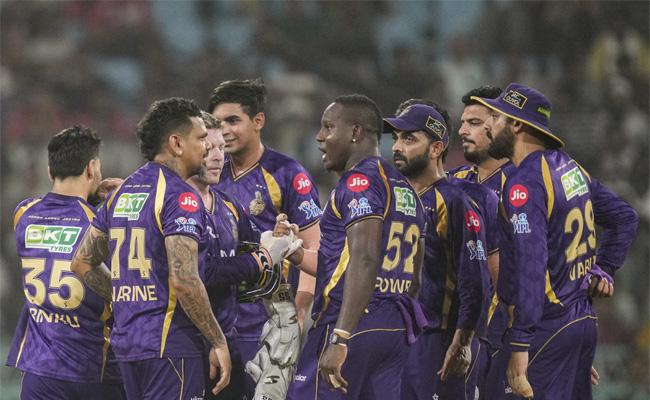
Lucknow (PTI): Kolkata Knight Riders edged Lucknow Super Giants via Super Overs in a battle between two bottom-placed teams in the IPL, here on Sunday.
Chasing a modest 156, LSG suffered a batting collapse and managed to tie the contest and take it to Super Over with No. 9 Mohammed Shami striking a last-ball six against a wayward Kartik Tyagi, who leaked 16 runs in the final over.
But Sunil Narine bowled a stunning Super Over conceding just one run and taking two wickets to give KKR an easy target.
Rinku Singh then finished the chase with a boundary off first ball from Prince Yadav.
Earlier the KKR were in deep trouble with 93/7 in 15 overs but Rinku smashed a sensational 83 not out from 51 balls including four sixes in a row in the final over to lift them to 155/7.
Cameron Green (34) was the only other batter to reach double-digit scores as KKR suffered a familiar batting meltdown with Mohsin taking his maiden fifer.
In reply, LSG continued their dismal show with the bat to succumb to their fifth loss in a row.
Brief Scores:
Kolkata Knight Riders 155/7; 20 overs (Rinku Singh 83 not out, Cameron Green 34; Mohsin Khan 5/23). Lucknow Super Giants 155/8; 20 overs (Rishabh Pant 42). KKR won via Super Over.