Anti-cow slaughter act has made lives of farmers miserable
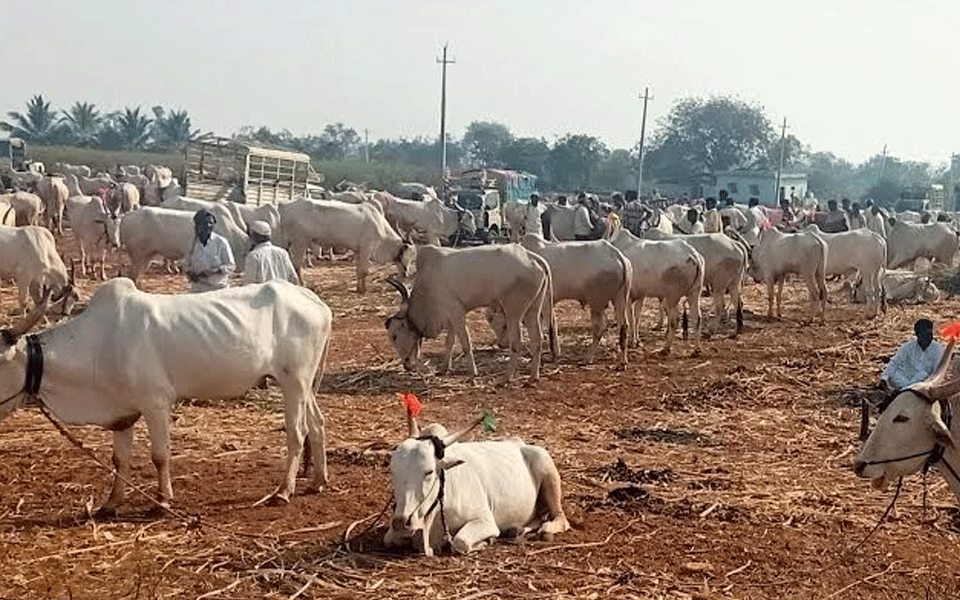
►Unable to sell their aged cattle, farmers request government to buy them or make provision for selling
BIJAPUR: For three days, Yecharappa Dundasi, a farmer of Nalatwad village waited for buyers to sell a couple of oxen he owned. Despite spending over three thousand rupees on transport, other expenses, and after spending two days at the cattle market, Yecharappa was unable to sell his animals and was forced to return home.
He was hoping that by selling the oxen, he would earn some money for the wedding of his daughter, but in the absence of buyers, the farmers at the cattle market had to return home with heavy hearts.
Yecharappa is one of the many hundreds of farmers whose lives have become miserable after the enactment of the anti-cow slaughter act by the current government, as no buyer is willing to come forward to buy the cattle fearing arrest.
People like Yecharappa are either faced with a prospect of having no buyers or selling their prized animals to those who are ready to buy but are offering dirt-cheap exchange rates.
“My burly ox goes at least for Rs. 1 lakh a pair, but in the market, some buyers offer Rs. 40,000 for a pair, how can I sell them for that amount? Who will cover my loss?” the worried farmer relayed.
This situation unfolded at the recently held cattle market organized in the background of the annual Ayyanagudi temple Jatra.
Hundreds of the farmers from the nearby villages had arrived at the market to sell their cattle, but the majority of the farmers could not sell their livestock in the wake of the anti-cow slaughter act.
Though the Act allows the farmers to buy or sell cattle for farming purposes, due to stringent provisions made for this process, the farmers are not in a position to sell them.
The buyers in particular fear the intimidation of pro-Hindu activists, who are known to stop the cattle traders while carrying animals and later handing them to police.
“Nobody wants to mess with the police and drag an unnecessary case on them even after buying cattle legally. These cow vigilantes may attack and thrash the buyers without even hearing the side of transporters. The police too stand with them and the transporters become victims. This is the reason why buyers are not coming forward to purchase cattle”, said an agent who does not wish to be identified.
Meanwhile, the situation of farmers who own aged animals is worse as they are neither in a position to raise them nor sell them.
“The burly ox or milking cow can be sold to any person at least locally in the village if not in the cattle market, but who will buy aged and unproductive cattle. The farmers can’t simply keep feeding them fodder without expectation of any returns. They don’t even want to simply donate the animal for free to any Go Shala. Such farmers are really in trouble because of the new law”, said another farmer Shivayogi Murkartihal.
He said that in the past, the farmers could sell off the aged cattle and buy calves with the same money to raise them for milk.
Accusing the politicians of playing with the lives of countless farmers, the farmers said that if the government has real concern for the cows and the farmers, then let the government buy the aged and unproductive cattle from the farmers for a remunerative price.
“Let the government do anything with the cattle after buying from the farmers. But the government should not create a situation where neither the government is willing to buy nor allowing others to purchase. This is simply absurd and inhuman”, the farmers said.
Let the Truth be known. If you read VB and like VB, please be a VB Supporter and Help us deliver the Truth to one and all.
Rupee sees high volatility against US dollar in early trade
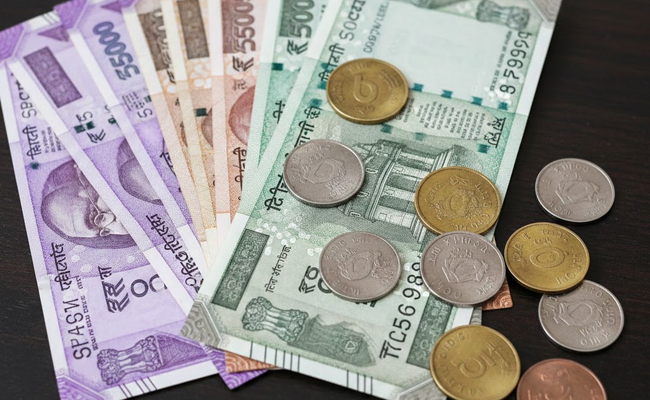
Mumbai (PTI): The rupee witnessed high volatility in early trade on Wednesday, as support from easing crude oil prices was offset by uncertainty over the India-US trade deal and persistent foreign fund outflows.
Forex traders said the key driver of rupee weakness in December was continued FPI selling across both equity and debt markets, with foreign investors repeatedly selling several billion dollars’ worth of Indian assets on a daily basis in the last few months, the selling intensifying in the last two months.
ALSO READ: Rupee falls 9 paise to record low of 90.87 against US dollar in early trade
However, with Brent crude oil prices hovering near recent multi-year lows of USD 59 per barrel, the local unit was supported at lower levels.
At the interbank foreign exchange market, the rupee opened at 91.05 against the US dollar, down 12 paise from its previous close.
The domestic unit, however, witnessed a sharp recovery and appreciated 97 paise to touch an early high of 89.96 against the American currency and was trading at 90.18 against the US dollar at 09.46 hrs.
On Tuesday, the rupee tanked below 91 per dollar, hitting a low of 91.14. It finally settled at 90.93 against the American currency.
Meanwhile, the dollar index, which gauges the greenback's strength against a basket of six currencies, was trading 0.17 per cent higher at 98.31.
Brent crude, the global oil benchmark, was trading at USD 59.54 per barrel in futures trade, as record non-OPEC supply, weak China data and optimism over a Ukraine ceasefire were the main reasons for the current fall, traders said.
Meanwhile, Minister of State for Finance Pankaj Chaudhary on Tuesday informed Parliament that, "During the current financial year, the depreciation of the INR has been influenced by the increase in trade deficit and likely prospects arising from the ongoing developments in India's trade agreement with the US, amid relatively weak support from the capital account."
"The depreciation of currency is likely to enhance export competitiveness, which in turn impacts the economy positively. On the other hand, depreciation may raise the prices of imported goods. However, the overall impact of exchange rate depreciation on domestic prices depends on the extent of the pass-through of international commodity prices to the domestic market," he said.
On the domestic equity market front, the 30-share benchmark index Sensex was trading 146.09 points higher at 84,825.95, while the Nifty was up 62.05 points at 25,922.15.
Foreign Institutional Investors sold equities worth Rs 2,381.92 crore on Tuesday, according to exchange data.
According to Anil Kumar Bhansali, Head of Treasury and Executive Director, Finrex Treasury Advisors LLP, the rupee may see a slow and steady move towards 92 in the coming days, with no signs of any trade deal happening between India and the US, which has also been a cause for the equities to fall.