BJP to stage protests across Karnataka against fuel price hike
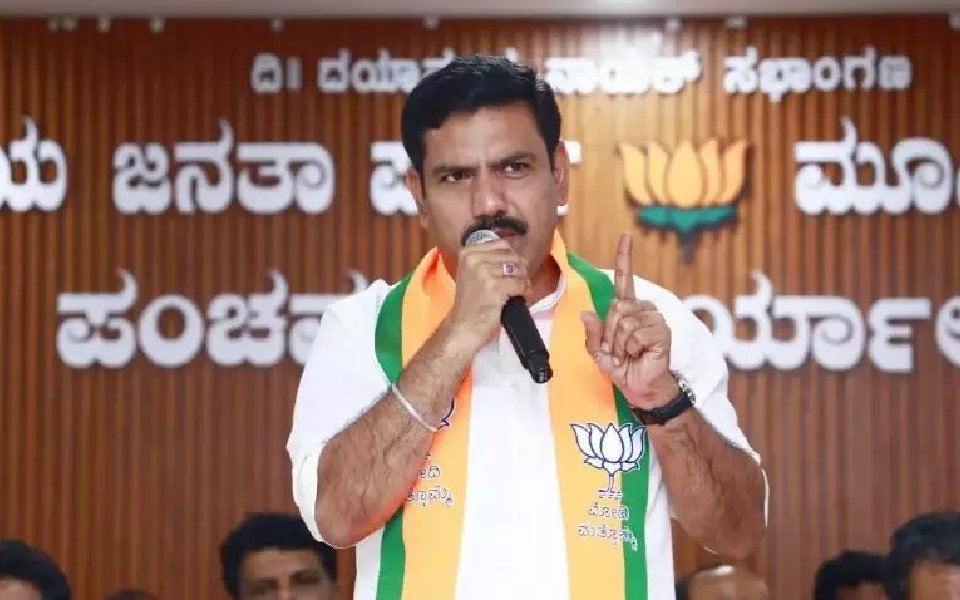
Hassan: The BJP will stage protests across Karnataka against the hike in petrol and diesel prices on June 17, the party's state unit president BY Vijayendra said on Sunday.
The Karnataka government on Saturday hiked sales tax on fuel which will make petrol and diesel costlier.
Petrol prices have gone up by Rs 3 per litre and diesel by Rs 3.5 per litre.
"We urge the Chief Minister to withdraw this decision immediately. Tomorrow, we have organised protests across the state, and we are not going to keep quiet till the hike is revoked," Vijayendra told PTI here in the district headquarters town of Hassan.
He said the protests will take place in all the district headquarters of the state.
ALSO READ: CM Siddaramaiah defends hike in petrol and diesel prices
Vijayendra charged that the 'desperate Chief Minister' hiked the petrol and diesel prices since he is unable to start any new programmes due to the five guarantees.
"After the Lok Sabha elections, they (Congress government) have increased fuel prices. This will cost all sections of people in the entire state," the BJP state chief said.
According to officials, the hike is aimed at resource mobilisation.
Chief Minister Siddaramaiah, who is also the Finance minister, reviewed the state's revenue generation and fiscal position and took the decision.
The increase in fuel prices comes days after the Lok Sabha poll results, in which NDA got 19 out of 28 seats in Karnataka, with the BJP winning 17 and JD(S) 2.
The ruling Congress in the state won nine seats.
Let the Truth be known. If you read VB and like VB, please be a VB Supporter and Help us deliver the Truth to one and all.
What is Iran’s 10-point plan? Key demands ahead of US talks in Islamabad
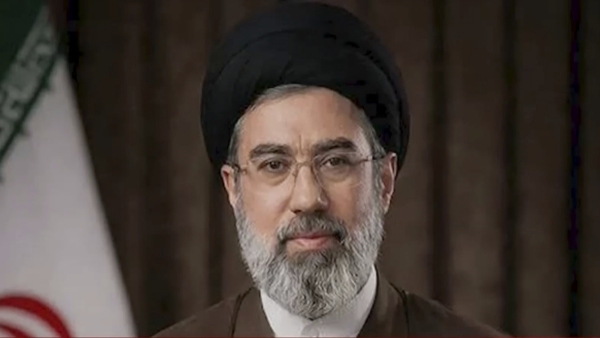
Tehran/Islamabad: Iran has outlined a 10-point plan as the basis for upcoming talks with the United States, expected to begin in Islamabad on April 11, according to a statement from the Iranian Supreme National Security Council.
The plan lays out Tehran’s key political, military and economic demands, and is being seen as a framework for negotiations following the recent escalation in the region.
Strait of Hormuz at the centre
A major focus of the plan is the Strait of Hormuz, a critical global shipping route. Iran has proposed “controlled passage through the Strait of Hormuz in coordination with the Iranian armed forces,” which it says would give the country a unique economic and geopolitical position.
The plan also calls for the “establishment of a safe transit protocol” in the Strait that would guarantee Iran’s dominance under an agreed mechanism.
Call to end conflict
Iran has demanded “the necessity of ending the war against all elements of the axis of resistance,” signalling its expectation that hostilities should stop not only in Iran but also involving allied groups in the region.
US troop withdrawal
Another key demand is the “withdrawal of US combat forces from all bases and deployment points in the region,” indicating Tehran’s long-standing position against American military presence in West Asia.
Sanctions relief and compensation
The plan places strong emphasis on economic measures. It calls for “full payment of Iran’s damages according to estimates,” along with “the lifting of all primary and secondary sanctions and resolutions of the Board of Governors and the Security Council.”
It also seeks “the release of all Iranian assets and properties frozen abroad,” which have been a major point of contention for years.
Binding global guarantee
Finally, Iran has demanded that all these terms be formally recognised through “a binding Security Council resolution,” suggesting it wants international legal backing to ensure enforcement.
What this means
The 10-point plan reflects Iran’s broader push for security guarantees, economic relief and regional influence. The upcoming talks in Islamabad are expected to test how far both sides are willing to negotiate on these demands.