Lakkundi temples set to be finalised for UNESCO tentative listing as World Heritage Sites: Report
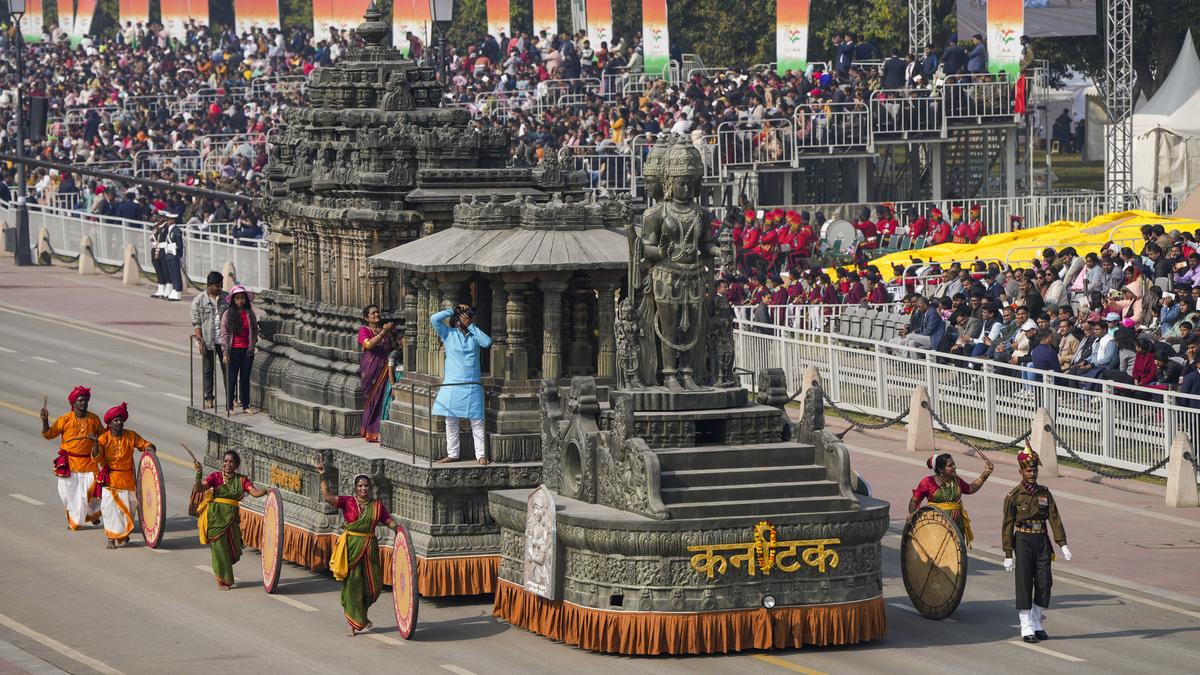
Mysuru: The ancient group of monuments at Lakkundi and surrounding regions, dating from the 10th to 12th centuries CE and built during the Kalyana Chalukya (Western Chalukya) era, are being finalised for inclusion in UNESCO’s tentative list of World Heritage Sites.
The State, having expressed its commitment to advancing the proposal, has partnered with the Indian National Trust for Art and Cultural Heritage (INTACH), which is currently refining the proposal, as reported by The Hindu.
Some of the key sites under consideration include the Kasi Visvesvara temple, Manikesvara temple, Nanneswara temple, Brahma Jinalaya, and Musukina Bavi in Lakkundi, along with notable structures like the Mahadeva temple at Itagi, Sri Mallikarjuna temple at Kuruvatti, and the the Someshwara temple at Lakshmeshwara in Gadag.
The monuments listed under “Architectural Ensembles of Kalyana Chalukyas” fulfil two of the six criteria that should be met for inclusion in the UNESCO tentative and final list.
One of the criteria, as cited by The Hindu, states that the monuments should exhibit an important interchange of human values, over a span of time or within a cultural area of the world, on developments in architecture or technology, monumental arts, two planning, or design.
The other criterion that the monuments must meet is that they should represent an excellent example of a type of building, architectural or technological ensemble, or landscape that portrays a key stage or stages in human history; and the Kalyana Chalukya group of monuments meets both criteria.
The list may be revised after further consultations with experts and stakeholders. Once accepted, and on completion of one year under the tentative list, the State will be eligible to prepare a detailed nomination dossier for full World Heritage inscription.
The other heritage sites already under the tentative list include monuments and forts of the Deccan Sultanate, monuments of Srirangapatana island town, Hire Benkal megalithic site, and Badami and Aihole group of monuments.
Let the Truth be known. If you read VB and like VB, please be a VB Supporter and Help us deliver the Truth to one and all.
Centre spent Rs 76.13 lakh on print media ads for RSS centenary, reveals RTI
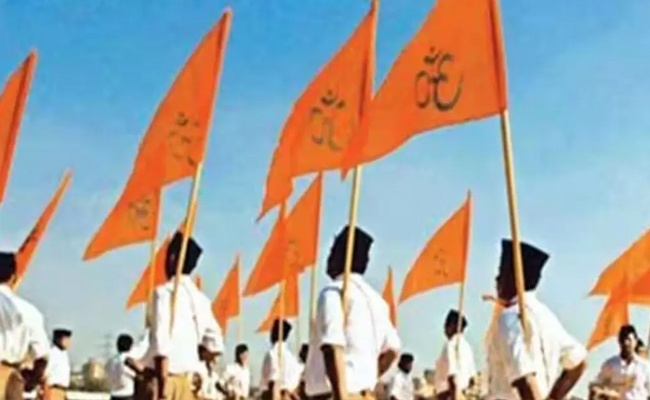
New Delhi: The Union Ministry of Culture allegedly spent Rs 76.13 lakh on print advertisements marking the 100-year celebrations of the Rashtriya Swayamsevak Sangh (RSS), according to a Right to Information (RTI) reply.
The information was sought by RTI activist Ajay Basudev Bose, who filed an application seeking details on expenditure incurred by the ministry for advertisements commemorating the RSS centenary.
Bose shared a picture of the reply from the ministry on his official ‘X’ handle.
“It is informed that an amount of Rs 76,13,129 has been spent on advertisement given in various print media by the Ministry of Culture on the occasion of the completion of 100 years of RSS,” the government’s reply stated.
RTI reply shows Min of Culture Govt of India spent a Whopping Rs 76L,13K,129 on Advertisement in Print Media on occasion of 100 yrs of #RSS
— AJAY Basudev Bose (@AjayBos93388306) April 16, 2026
When Everyone knows RSS is Not Registered & Does not Pay any Tax is it justified to spend Tax Payers Money on such Private event??@RSSorg… pic.twitter.com/dW4IUtdNCg
Bose questioned the expenditure in the post X, “when Everyone knows RSS is Not Registered & Does not Pay any Tax is it justified to spend Tax Payers Money on such Private event??”
Reacting to the development, Karnataka’s IT-BT and Panchayat Raj Minister Priyank Kharge also criticised the spending.
In a post on X, he asked why public money was being used for what he described as a “private ideological project.”
"Modi Sarkar spent Rs 76,13,129 of public money on newspaper advertisements to celebrate 100 years of the RSS. Why is Government spending taxpayers money on an unregistered, non-tax-paying organisation to celebrate their centenary?," he added.
Why is public money being used to serve a private ideological project?
— Priyank Kharge / ಪ್ರಿಯಾಂಕ್ ಖರ್ಗೆ (@PriyankKharge) April 16, 2026
Modi Sarkar spent ₹76,13,129 of public money on newspaper advertisements to celebrate 100 years of the RSS.
Why is Government spending taxpayers money on an unregistered, non-tax-paying organisation to… pic.twitter.com/EoZ6Pim3IM
According to reports, the RSS describes itself as a volunteer-based organisation and has stated that it functions as a body of individuals rather than a registered entity.
Founded by Keshav Baliram Hedgewar in 1925, the organisation is marking its centenary year beginning from Vijaydashami in 2025, with the milestone observed on October 2.