Legal Scholar, Founder of IDIA Basheer found dead in his car
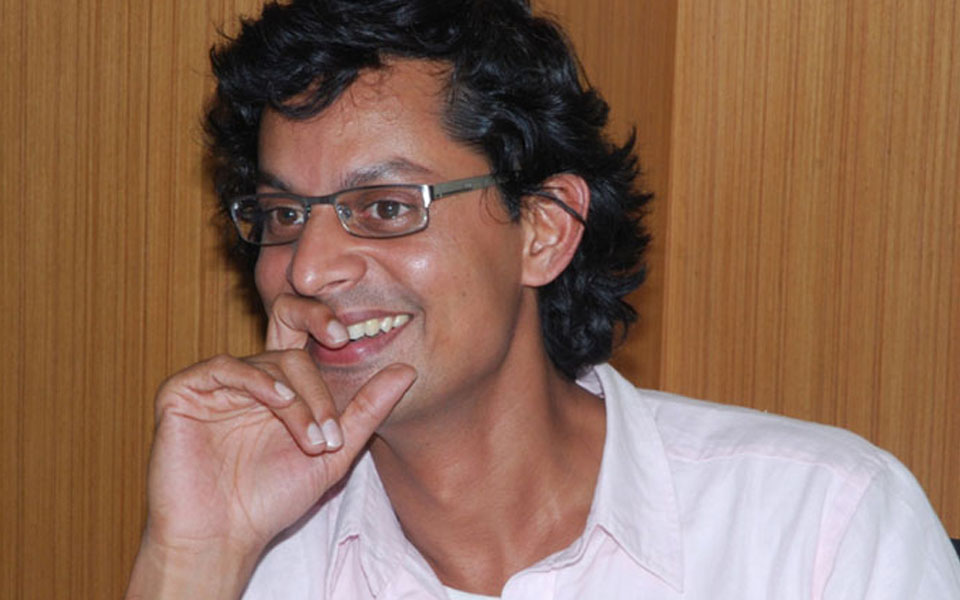
Chikkamagaluru: Founder of Increasing Diversity by Increasing Access (IDIA), a non-profit organisation working in India which aims to empower underprivileged children and Legal Scholar Shammad Basheer, passed away in a tragic accident in Karnataka.
A law graduate from National Law School of India University, Bangalore and Basheer completed his post-graduate studies at the University of Oxford before founding IDIA.
For his outstanding contributions to a broad range of legal issues and legal education, Prof. Basheer was awarded Infosys Prize 2014 for Humanities. He was also awarded with Legal Education Innovation Award 2016 by Society of Indian Law Firms in recognition of innovation and leadership in the development of Increasing Diversity by Increasing Access (IDIA) and promoting legal careers among the under-privileged.
Basheer was found dead in his car near Baba Budangiri where traffic movement has been closed due to bad weather conditions.
According to his colleague Basheer used to come to baba budangiri to get mentally refresh. On Aug 5 he was to return back to Bengaluru but his number was not reachable so they started search operation for Basheer. On Thursday they found his dead body in car near Baba Budangiri.
"The police however ruled out murder and added that the heater of the car was switched on and the key of the car was also in ignition, so he might have forgot to switch off the heater. So far we don't have any reason to suspect murder in the case" Chikkamagaluru SP Harish Pandey said.
Let the Truth be known. If you read VB and like VB, please be a VB Supporter and Help us deliver the Truth to one and all.
Russian oil tanker arrives at New Mangalore Port
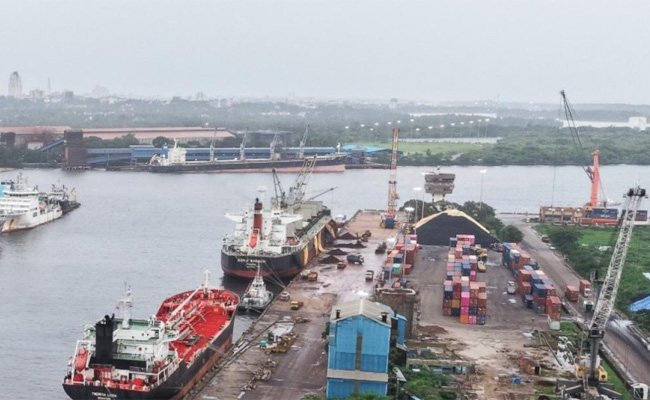
Mangaluru: A Russian oil tanker, Aqua Titan, arrived at the New Mangalore Port on Saturday night carrying crude oil chartered by MRPL, with unloading operations scheduled to begin in the early hours of Sunday.
According to Deccan Herald, the vessel is carrying Urals crude oil, which it had loaded from a Baltic Sea port in late January.
It was initially headed towards Rizhao port in China. It changed course in Southeast Asia and headed to New Mangalore port.
Dakshina Kannada MP Brijesh Chowta, in a social media post, said the arrival indicated the port's growing significance.