PU colleges in Karnataka face threat of affiliation withdrawal over exam paper leaks
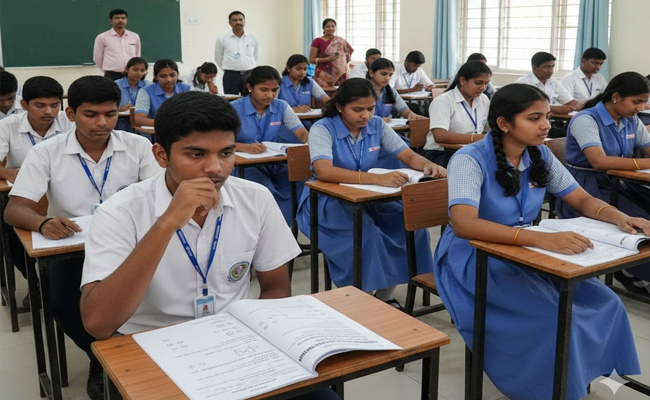
Bengaluru: The Department of Pre-University Education has cautioned colleges against any lapses during the preparatory examinations for second-year PU students, warning that affiliation could be withdrawn if question papers are leaked or mishandled.
The warning has been issued in the wake of the controversy surrounding the leak of SSLC preparatory examination question papers, which were circulated on social media platforms and YouTube channels. Although no such incident was reported during the first round of preparatory examinations for second-year PU students, officials said the department was taking no chances as the next set of exams is scheduled from January 19 to February 2.
The SSLC paper leak case led to the arrest of eight people, including teachers and students, after a complaint was filed by the Karnataka School Education and Assessment Board. The incident has raised concerns within the PU Department about the possibility of similar breaches during upcoming examinations.
ALSO READ: Man arrested in Mangaluru for sharing objectionable message
According to a Deccan Herald report, a circular was sent to all PU colleges, which reiterated existing rules banning the use of mobile phones on campus during examinations. Principals have been directed to ensure that students do not carry mobile phones into examination halls and that strict monitoring is enforced.
Officials also warned students against uploading question papers on social media, stating that action would be taken even in cases where fake papers are circulated. The department said responsibility would be fixed on institutions if any irregularity is found during the conduct of the preparatory examinations.
Let the Truth be known. If you read VB and like VB, please be a VB Supporter and Help us deliver the Truth to one and all.
Trump says he ‘hasn’t even thought about’ continuing Iran ceasefire
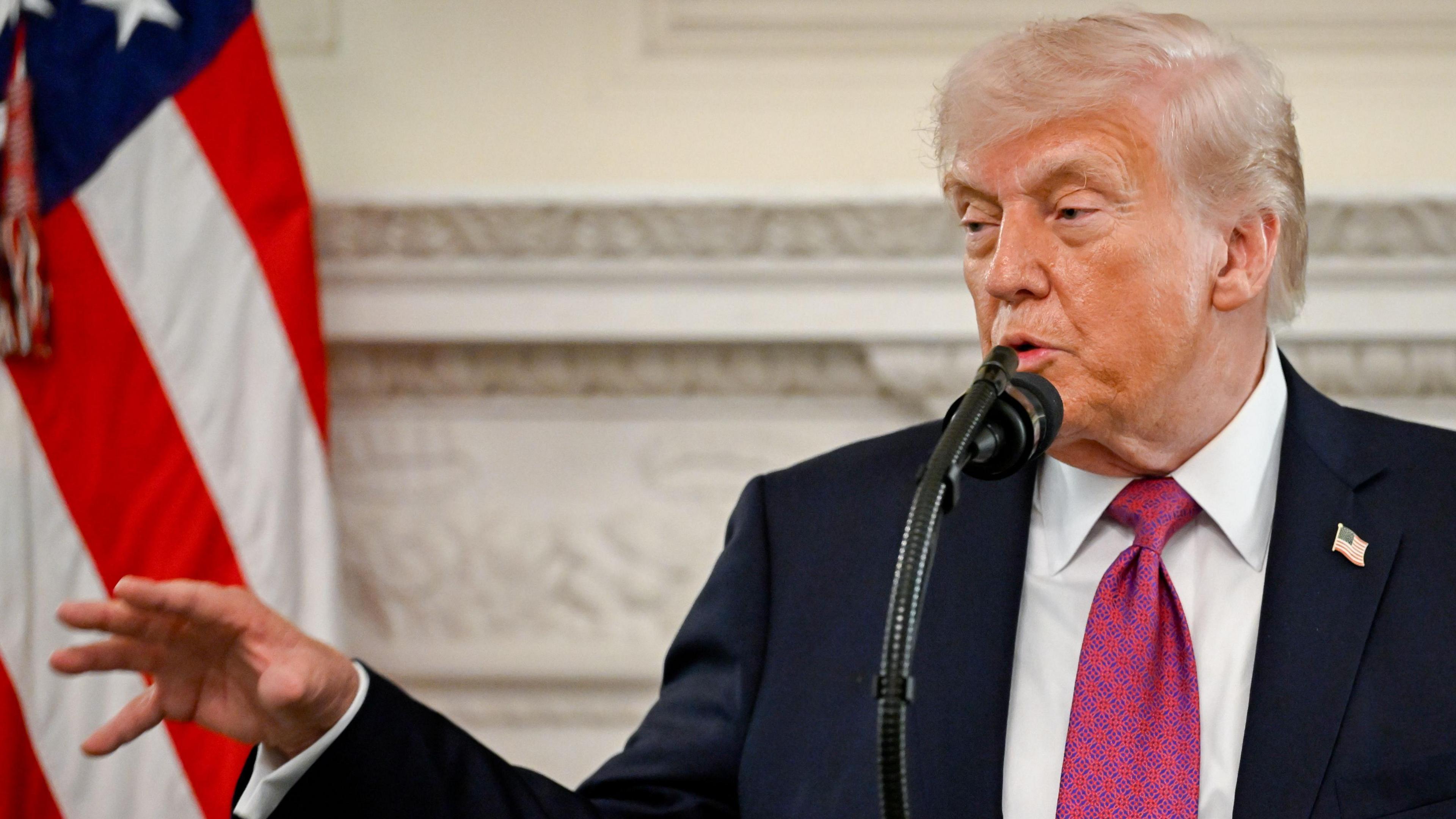
Washington: US President Donald Trump has said he has not yet considered whether he would continue the ceasefire involving Iran, while also claiming the United States holds the advantage in negotiations.
Speaking to reporters, Trump said he was prepared to make a deal with “whoever is running the show” in Iran.
“They are fighting with each other, there’s tremendous infighting. They’re probably fighting for leadership in many cases. I think they’re fighting not to be leader because we knocked out two levels of leaders,” he said.
Trump added, “When they want they can call me. We have all the cards, we’ve won everything.”
Referring to ongoing negotiations, he said, “They gave us a paper that should’ve been better. And, interestingly, immediately when I cancelled it [envoy trip to Pakistan], within 10 minutes we got a new paper that was much better.”
“We talked about they will not have a nuclear weapon, very simple … They offered a lot, but not enough,” he added.
When asked whether he would continue the ceasefire, Trump replied, “I haven’t even thought about it.”
The remarks come as uncertainty remains over the future of the temporary truce and broader negotiations between Washington and Tehran.