Special court rejects 'B report' in bribery case against ADGP Alok Kumar, 2 others
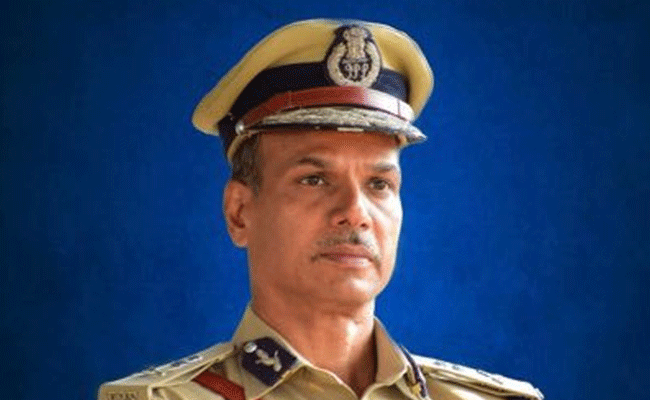
Bengaluru (PTI): A special court in Bengaluru has rejected the 'B report' submitted by the Karnataka Lokayukta police in the case where Additional Director General of Police Alok Kumar and two other officers are alleged to have demanded a bribe of Rs 1 crore.
The special court for corruption cases, in its order, rejecting the 'B report' (closure report for lack of evidence) has said examination of the complaint will be held by the court under Section 200 of the Criminal Procedure Code.
It allows for the court to take cognisance of the complaint and initiate the examination itself.
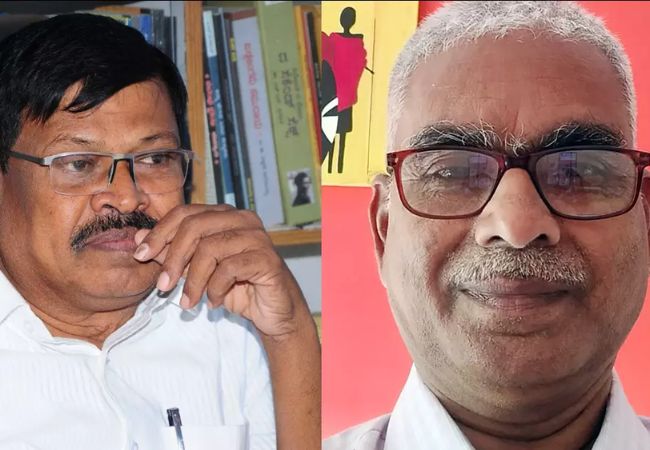
Judge K Lakshminarayana Bhat heard a protest memo filed by the complainant in the case, Mallikarjun M B.
The original complaint dates back to 2014. Mallikarjun was allegedly involved in a fight in the Organe Bar and Restaurant in 2014.
Chandrashekar, then a constable in the Vyalikaval police station, is said to have received Rs 5 lakh bribe to cover up this issue.
The then ACP of Seshadripuram sub-division Daneshwar Rao and Vyalikaval police inspector Shankarachari were accused of receiving the Rs 5 lakh through Chandrashekar on September 1, 2014.
The following day, they allegedly sought Rs 1 crore bribe from Mallikarjun in the name of the then Additional Commissioner of Police, Alok Kumar.
They had allegedly threatened to book Mallikarjun under serious criminal charges if he did not pay up within 48 hours.
Mallikarjun's complaint to the Lokayutka also contained audio recordings of his conversations with constable Chandrashekar.
Mallikarjun also accused that his relative Putte Gowda, sub-inspector in the Vyalikaval police station, was suspended to put pressure on him to pay the bribe.
Putte Gowda had also confirmed this allegation in his statement before the Lokayukta police.
After seven years, the Lokayukta police concluded the investigation and on March 19, 2022, filed a report in the court filing a 'B report' stating there was no evidence against Shankarachari and Daneshwar Rao.
Only constable Chandrashekar was named as accused in the FIR. Mallikarjun filed the protest memo over the 'B report' in March this year and the special court gave its judgment on December 13.
In its order, the court has said the Lokayukta police have not considered the statements of Putte Gowda.
The investigating officer has rejected Gowda's claims. But it was for the court to decide if the witness statements had to be rejected or accepted and not the investigating officer, the court said.
The court said that there was enough evidence in the case to proceed against the accused. It said the Lokayukta police report was not comprehensive and transparent.
The report itself contains enough evidence to issue summons and interrogate the accused, the court said rejecting the 'B report'.
Let the Truth be known. If you read VB and like VB, please be a VB Supporter and Help us deliver the Truth to one and all.
Karnataka Governor gives assent to legislation against ‘honour killing’ in inter-caste marriages
Bengaluru: The government has brought into force the Karnataka Freedom of Choice in Marriage and Prevention and Prohibition of Crimes in the name of honour and tradition (Eva Nammava Eva Nammava) Act, 2026, intended to restrict ‘honour killings’ in inter-caste marriages.
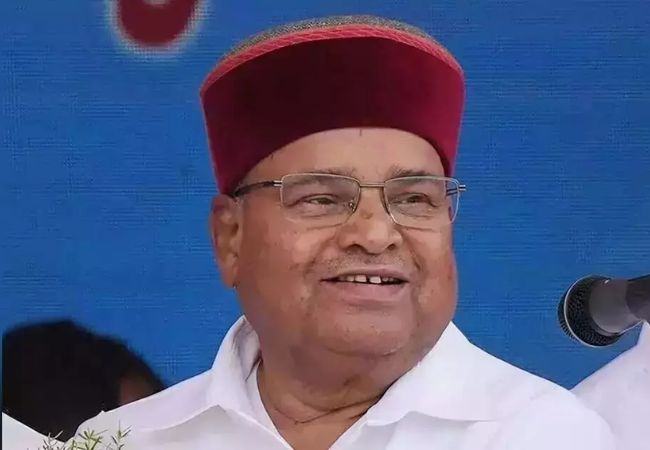
According to The Indian Express, the legislation received assent from Governor Thawar Chand Gehlot on April 9 and was officially notified in the state gazette on April 10. The law had been passed unanimously by the state legislature last month.
The Bill was proposed by the Congress government in the wake of caste-linked ‘honour killings’ in the state, including the December 21, 2025, murder near Hubli of a 20-year-old Lingayat woman by her father for marrying a man from another caste.
The phrase ‘Eva Nammava Eva Nammava’ in the title is in reference to the message of universal humanity that the Lingayat saint Basavanna espoused. Basavanna, who rebelled against the caste system to lay the foundation of the Lingayat faith system, an amalgamation of all castes, used the words meaning ‘he is a part of me’ to say all people are one.
Under the new law, crimes committed in the name of ‘honour’, including murder, assault, threats, and social boycott, are specifically addressed with stringent punishments. ‘Honour killing’ offences carry a minimum imprisonment of five years, while serious assaults attract at least three years in jail.
The new law defines the social boycott of inter-caste couples as forcible eviction to remote corners of villages, refusal to provide services, refusal to provide work, refusal to conduct business, denial of loans and admissions to schools, and makes it punishable.
In the case of ‘honour killings’ per se, the new law prescribes a minimum imprisonment of five years, and in the case of assaults, a prison term that is not less than three years for serious injury and two years for minor injuries.
The offences under the proposed law are cognisable and non-bailable, which means police can carry out arrests without court permissions after taking up a case.
The legislation follows several reported inter-caste relationship-related killings in Karnataka in 2025, including cases in Raichur and another involving 18-year-old Kavita.
The law to protect the freedom of choice in marriages is among several social bills that the Congress government has brought out in line with its policies for the backward and downtrodden communities in the state.