Sr citizens, those with comorbidities to be vaccinated at taluk, district level hospitals from Mar 1
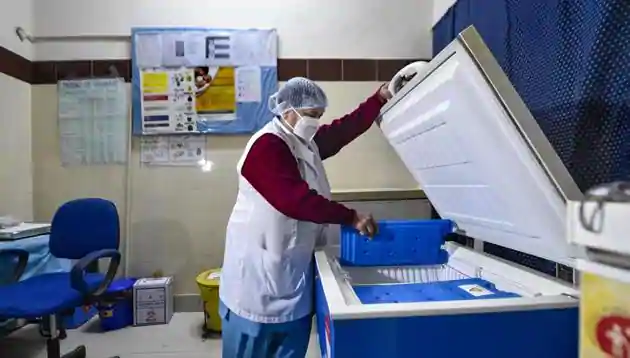
Bengaluru, Feb 28: Senior citizens and those with comorbidities against COVID-19 in Karnataka will be vaccinated at all taluk and district level hospitals and two identified private hospitals in each district from March 1, the state government said on Sunday.
People aged 60 years and above and those between 45-59 years suffering from specific comorbidities, supported by a certificate by a registered medical practitioner, will be vaccinated.
"In the initial phase, all taluk level hospitals, district level hospital and two identified private hospitals from each district and major hospitals of Bengaluru and 18 private health facilities from BBMP will implement COVID-19 vaccination from March 1,"a state health department note said.
In the initial days, vaccination will be only for online registered beneficiaries in urban and private facilities and both on-site and online in rural areas.
Moving forward, the vaccination for other modes of registration will be scaled up the number of facilities increased.
The vaccination would be held four days a week -- Monday, Wednesday, Friday and Saturday in government facilities and all working days in private hospitals.
The exercise, to be held between 12 pm to 5 pm, would later be modified, it said.
The number would be limited to 200 per day per session site and would be on a first come first serve basis.
However, online registered beneficiaries would be allotted a specific time in a day.
The vaccination will be free of charge at the government Vaccination centres, while those taking the shot at any designated/empaneled private health facility have to pay Rs 250 each for a dose, which includes Rs 100 service charge and Rs 150 which would be deposited to Government of India specified account, it added.
The nationwide COVID-19 Vaccination drive was launched on January 16 and has been limited to health care workers and front line COVID warriors.
The beneficiaries will be able to self-register in advance by downloading the COWin 2.0 portal and through other IT Applications such as Arogya Setu.
Facility of on site registration allows those who cannot self-register in advance to walk into the identified COVID vaccination centres and get themselves registered on-site and then vaccinated.
Healthcare workers and frontline staff who have missed the shots or been left out of the current vaccination drive can also select vaccination centres of their choice, the release said.
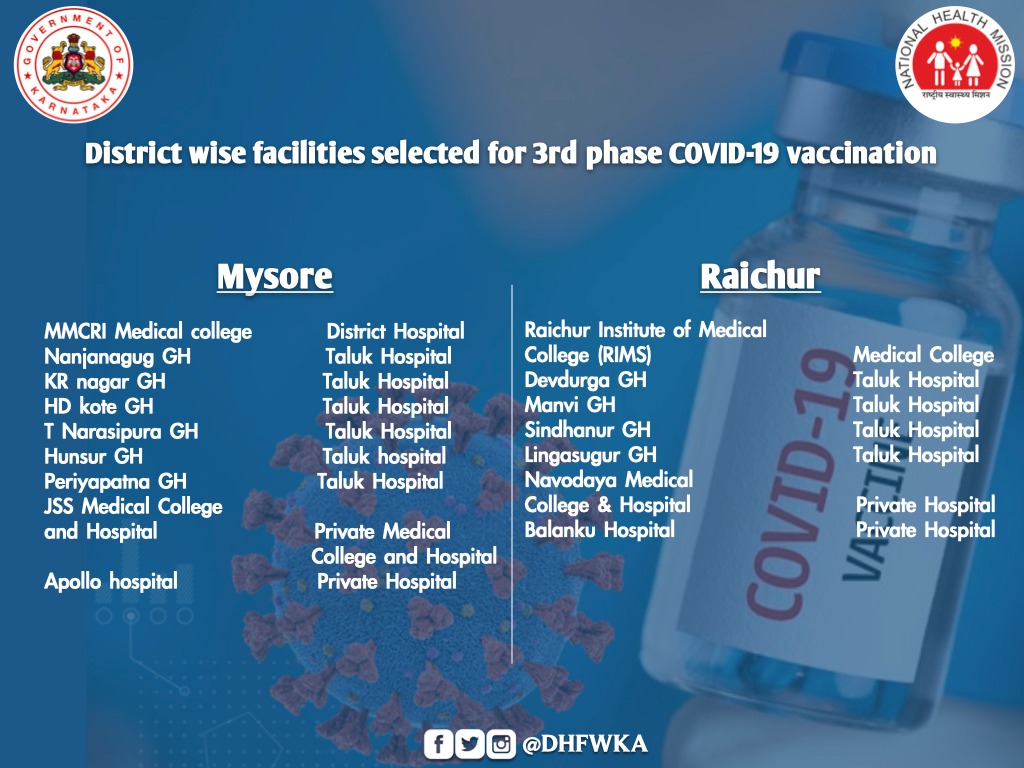
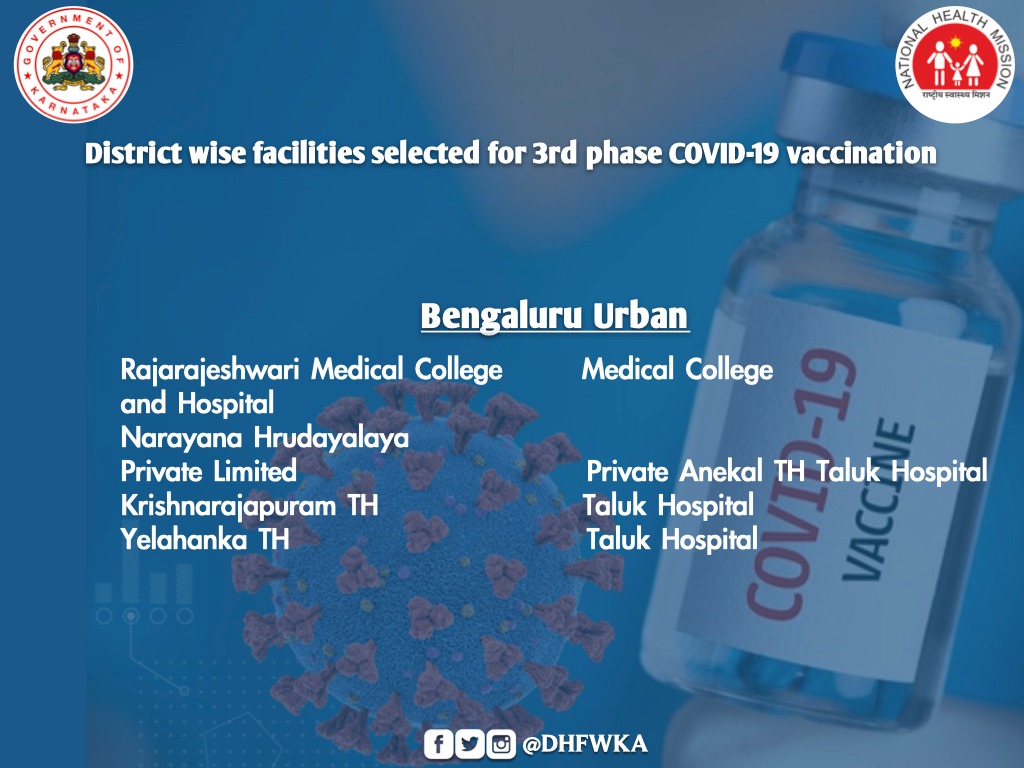
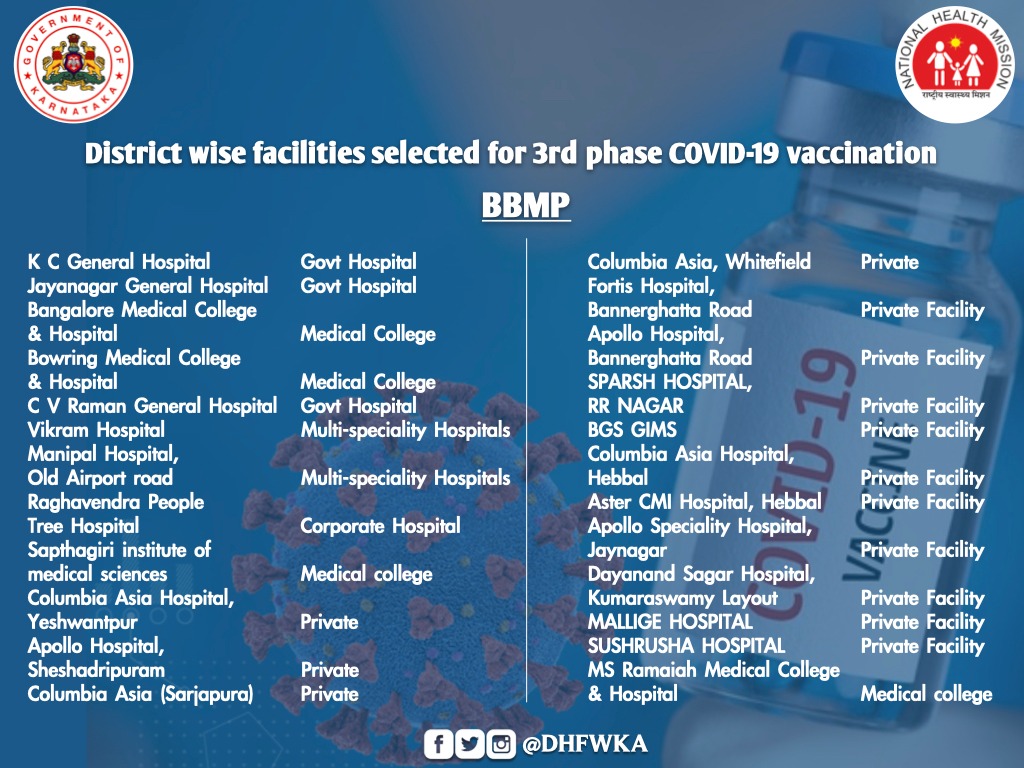
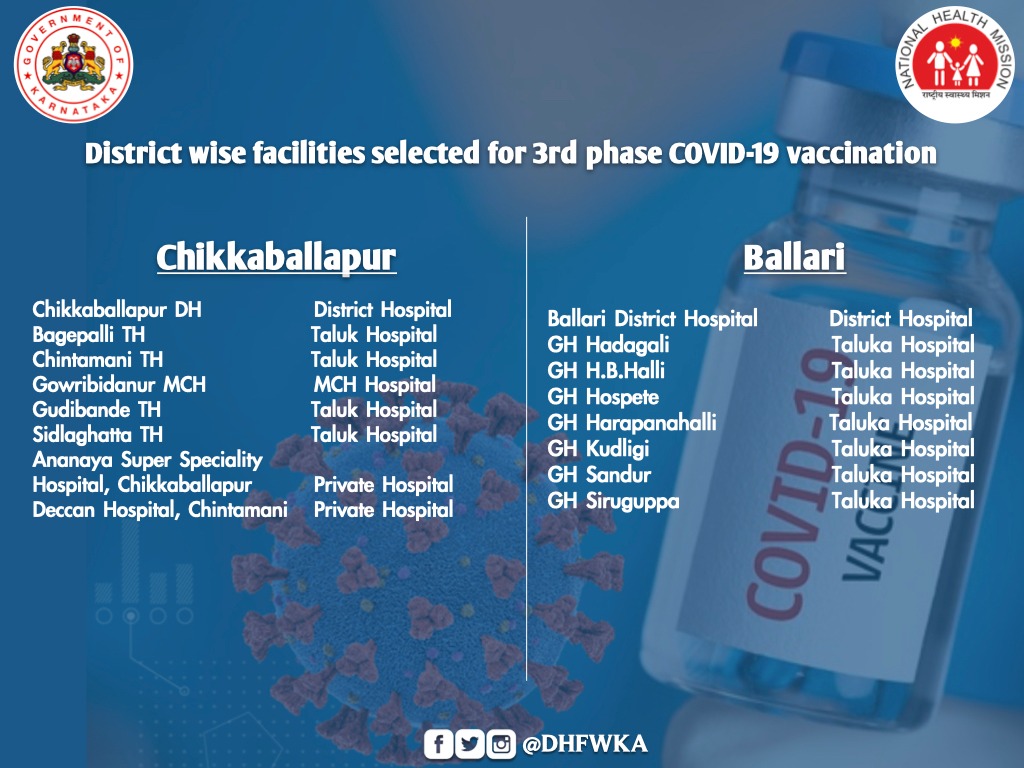
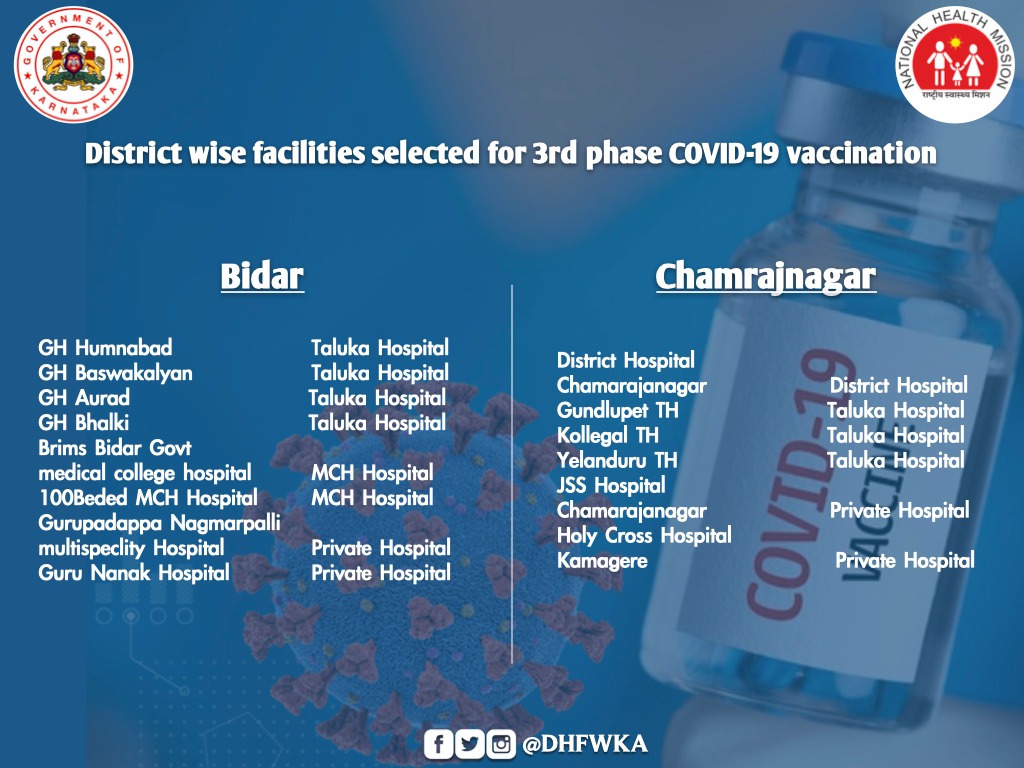
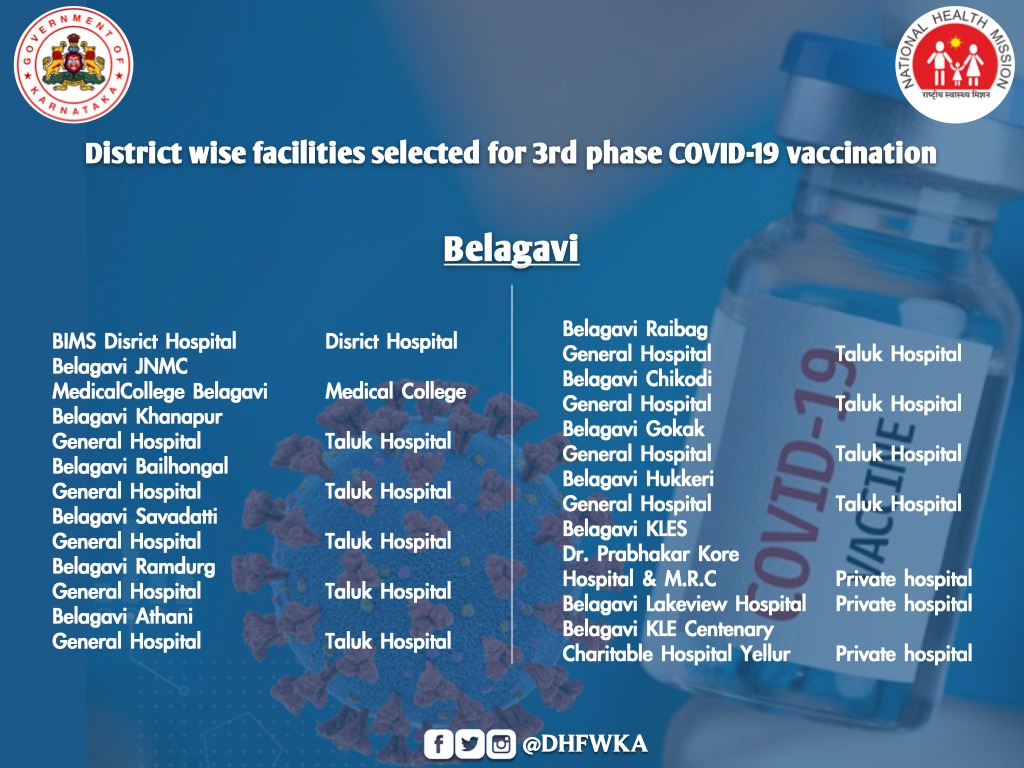
PC: @DHFWKA
Let the Truth be known. If you read VB and like VB, please be a VB Supporter and Help us deliver the Truth to one and all.
Seers like Shivakumara Swami shape soul of society, nation: President Murmu

Tumakuru (Karnataka) (PTI): President Droupadi Murmu on Wednesday said seers like Shivakumara Swami give shape to the soul of society and the nation, and their spiritual legacy continues to nourish the country even after their physical departure.
Known as 'Trivida dasohi' for his triple sacraments -- food, shelter and education -- among his followers, Shivakumara Swami was the pontiff of the renowned Siddaganga Math. He passed away at the age of 111 on January 21, 2019.
The President emphasised that diligence, public service, and national service are interlinked, and that spirituality provides a strong and enduring foundation for both public and national service.
Addressing the 119th birth anniversary and Guruvandana of the seer at Sree Siddaganga Math here, the President said, "I believe that seers like Shri Shivakumara Swamiji give shape to the soul of our society and our nation. His physical body merged into the supreme element in the year 2019, but his legacy continues to nourish society and the country."
Murmu said that the seer's life dedicated to the service of the poor and the deprived remained a unique example of expressing spirituality through welfare activities.
"He continued to enrich humanity for many years through his spiritual activity. His life dedicated to the service of the poor and the deprived, and expressing spirituality through welfare activities, is a unique example," she said.
Praising the activities of the Math, the President said, "It is said that through this Math, arrangements for free food, accommodation, and education are made for a large number of rural children, which is highly commendable."
Emphasising that education is the key to development, she said that providing education to deprived and poor children means building the future of the country and advancing the nation's development.
"I am especially pleased to know that from primary school to higher education in engineering and management, arrangements for education have been made by the Math. For this purpose, many educational institutions have been established," she said.
She also highlighted the healthcare initiatives associated with the institution. "I have also been told that the Sri Siddaganga Hospital, established by Shri Shivakumara Swamiji, provides excellent healthcare services to the general public," the President said and added that the Math carried forward a long tradition of service and spirituality.
Referring to the ideals of 12th century social reformer Basavanna, she said, "It is a matter of great happiness that today your spiritual institution is following the ideals of Prabhu Basavanna". She said that the example of a democratic system, based on a society free of discrimination and the participation of all, was presented centuries ago by Basavanna.
Lauding Karnataka, the President said that the state presented one of the most effective examples of public service, national service, spirituality and modern progress, and congratulated the people of the state for their contribution to nation-building.
Murmu said that by walking on the path of nation-building, altruism and dedication to duty, people could truly pay tribute to Shivakumara Swami.
"On this occasion associated with his sacred memory, we will all take a pledge that we will always remain active in enhancing the glory of Karnataka Mata and Bharat Mata," she said.
On the occasion of his Jayanti, Prime Minister Narendra Modi paid tributes to Shivakumara Swami, recalling his remarkable contributions across education, social welfare and spirituality, which have left an enduring imprint on society.
"He (Swamiji) stands in collective memory as an embodiment of compassion, humility and unwavering service to humanity. Through a lifetime dedicated to uplifting others, he demonstrated that true greatness lies in serving others," PM Modi said in a post on 'X'.
The prime minister recalled that even today, Swami's life continues to guide and inspire countless individuals to walk the path of selflessness and service.