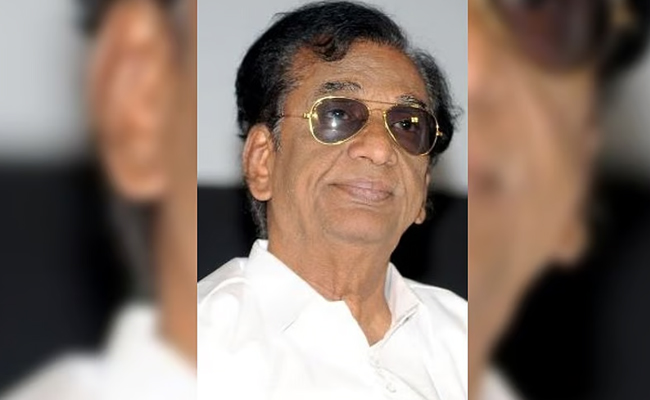
Yediyurappa, facing POCSO case, should retire from public life, says CM Siddaramaiah
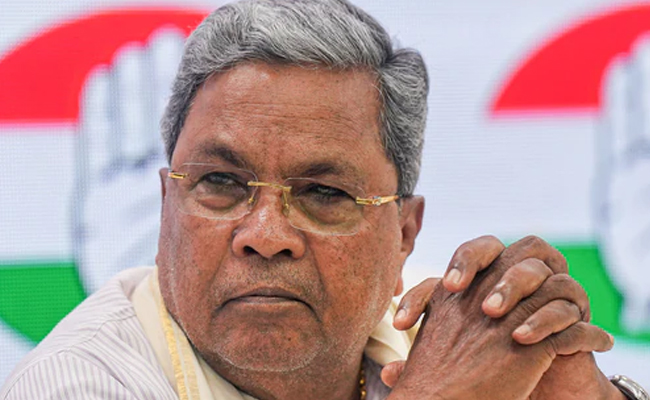
Mysuru (PTI): Questioning veteran BJP leader B S Yediyurappa's "moral right" to demand his resignation in connection with the Mysuru Urban Development Authority (MUDA) site allotment 'scam', Chief Minister Siddaramaiah on Wednesday urged that the former should retire from public life as he is an accused in a Protection of Children from Sexual Offences (POCSO) Act case.
Yediyurappa had recently demanded that Siddaramaiah has to resign before the BJP-JD(S)' protest march from Bengaluru against the MUDA site allotment 'scam' reaches Mysuru.
The week-long Bengaluru-Mysuru padayatre (foot march) has sought to highlight the alleged fraudulent allotment of sites to land losers by MUDA, including to Siddaramaiah's wife Parvathi.
"Yediyurappa has been accused in a POCSO case, chargesheet has been filed. Because of the court's mercy he is outside and not in jail. One cannot get bail in such cases," Siddaramaiah said.
ALSO READ: Clamour for CM Siddaramaiah’s resignation continues on day 5 of opposition protest march
Addressing reporters here, he said, "What moral right does Yediyurappa have? At this age he is caught in a POCSO case...He should retire from public life. At 81 years of age he is accused of sexually assaulting a girl and is caught in a POCSO case... First let him retire from public life. There should be truth (in allegations against me) to seek my resignation."
The case was registered on March 14 this year based on a complaint by the mother of a 17-year-old girl who alleged that Yediyurappa sexually assaulted her daughter during a meeting on February two, at his residence in Dollars Colony here.
The Criminal Investigation Department, which is probing the case, on June 27 filed a charge-sheet against him at the Fast Track Court.
Responding to another question, Siddaramaiah said, "I will speak about the cases in which Yediyurappa is involved. He is involved in 18-20 cases. I will speak about it during the rally (by Congress) in Mysuru (on August 9)...We are getting them investigated."
Let the Truth be known. If you read VB and like VB, please be a VB Supporter and Help us deliver the Truth to one and all.
Ordinance issued to increase number of Supreme Court judges from 34 to 38
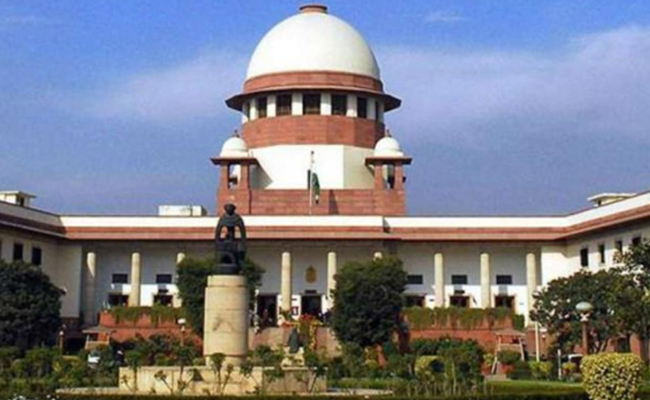
New Delhi (PTI): The government has promulgated an ordinance to increase the strength of the Supreme Court from the present 34 judges to 38, including the Chief Justice of India.
The law ministry notified the ordinance on Saturday, which amended the Supreme Court (Number of Judges) Act, 1956, to increase the sanctioned strength of the top court.
So far, the sanctioned strength of the top court was 34, including the Chief Justice of India (CJI). Now, the number of judges has been increased by four, taking the sanctioned strength to 38.
The top court will now have 37 judges, other than the CJI.
With the apex court having two vacancies at present, and the ordinance coming into force immediately, the Supreme Court Collegium will now have to recommend six names for appointment as judges in the top court.
A bill will be brought in the Monsoon Session of Parliament to convert the ordinance – an executive order – into a law passed by Parliament.
The Union Cabinet had cleared a draft bill on May 5 to increase the number of apex court judges.
The strength of the Supreme Court was last increased from 30 to 33 (excluding the CJI) in 2019.
The Supreme Court (Number of Judges) Act, as originally enacted in 1956, put the maximum number of judges (excluding the CJI) at 10.
This number was increased to 13 by the Supreme Court (Number of Judges), Amendment Act, 1960, and to 17 by another amendment to the law.
The Supreme Court (Number of Judges) Amendment Act, 1986, augmented the strength of judges from 17 to 25, excluding the CJI.
A fresh amendment in 2009 further increased the strength from 25 to 30.
Article 124(3) of the Constitution lists the qualifications required to become a Supreme Court judge.
An Indian citizen who has either served as a high court judge for at least five years, or as an advocate for 10 years, or is a distinguished jurist, can be appointed to the top court.
The strength of the Supreme Court is increased based on the recommendations of the CJI, who writes to the Union law minister. After consulting the finance ministry, the Department of Justice under the law ministry moves the Cabinet with a draft bill.