This team never gives excuses of conditions or pitch: Shastri
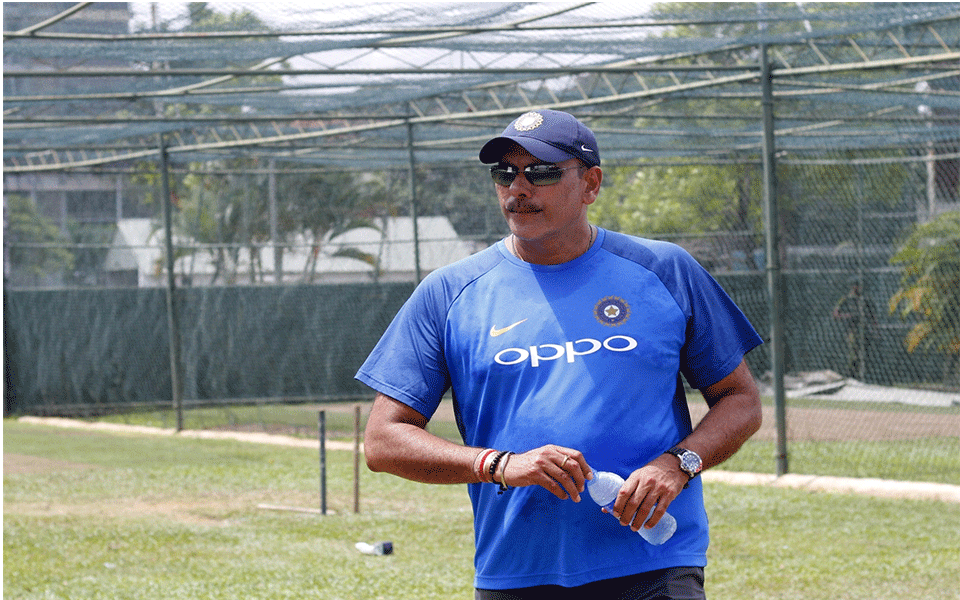
Chelmsford, July 25 : Rubbishing media reports that suggested that the Indian team decided to cut their originally scheduled four-day practice game against Essex to a three-day affair due to the nature of the pitch, head coach Ravi Shastri said the current unit isn't concerned about these issues.
Various media reports on Tuesday suggested that the Indian team management decided to cut their practice game by a day after taking a look at the pitch and the outfield.
"There was no complaint from the Indian management about anything. On this entire trip, you will never see an Indian team giving excuses with regard to conditions or the pitch," Shastri was quoted as saying by the BCCI website.
"One thing, on this trip, you will never see this Indian team giving an excuse as regarding conditions or the pitch. Our challenge is to beat them. We take pride in performing wherever we go and we want to be the best travelling side in the world.
"The last person to complain will be this Indian team, so I want to clarify this very clearly," he added.
Shastri also explained the "cricketing reason" behind the team's decision to curtail a day of practice before the first Test starts on August 1 in Birmingham.
"The game was reduced from four days to three because of the logistics and the weather prevailing," he said referring to the hot weather conditions. "We had an opportunity to practice three days in Birmingham which is the Test venue. If we had played four days here we would have lost one day there because of travel," he said.
"As simple as that because the prerogative whether to play a two-day, three-day or four-day game lies entirely with the travelling team," he added.
Let the Truth be known. If you read VB and like VB, please be a VB Supporter and Help us deliver the Truth to one and all.
At least three people killed in gas cylinder explosion in Andhra Pradesh
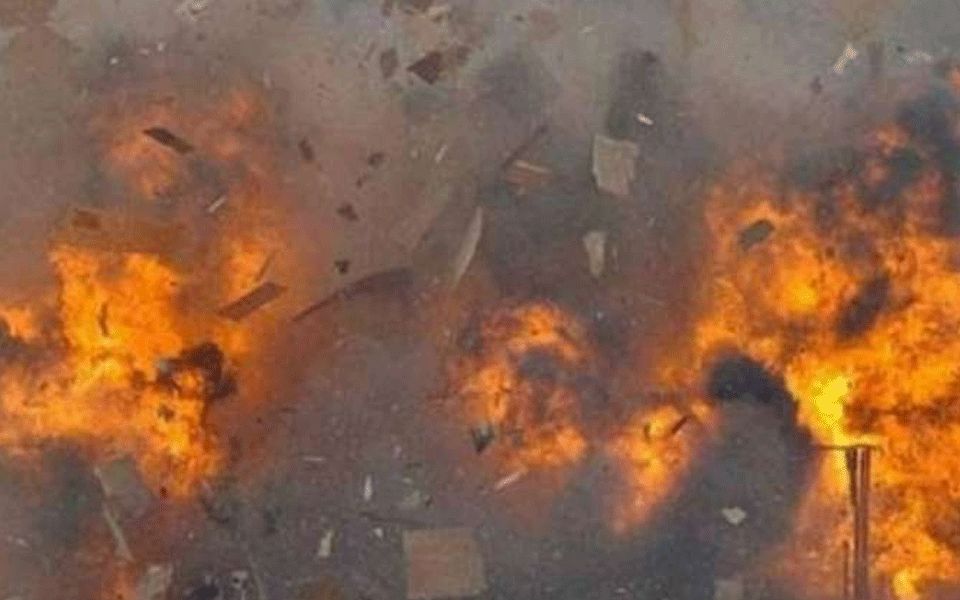
Puttaparthi (Andhra Pradesh) (PTI): At least three people were killed in a gas cylinder explosion in Sri Sathyasai district of Andhra Pradesh, on Wednesday, an official said.
A powerful explosion led to the demolition of two houses at Kammaravaripalli village, according to Superintendent of Police S Satish.
"At least three people died when a gas cylinder exploded in a house at Kammaravaripalli village in Kadiri mandal at around 12.30 pm,” Satish told PTI.
He said that the workers from Telangana were living in that house where the explosion occurred.