Several parts of national capital face outage as power grid substation catches fire
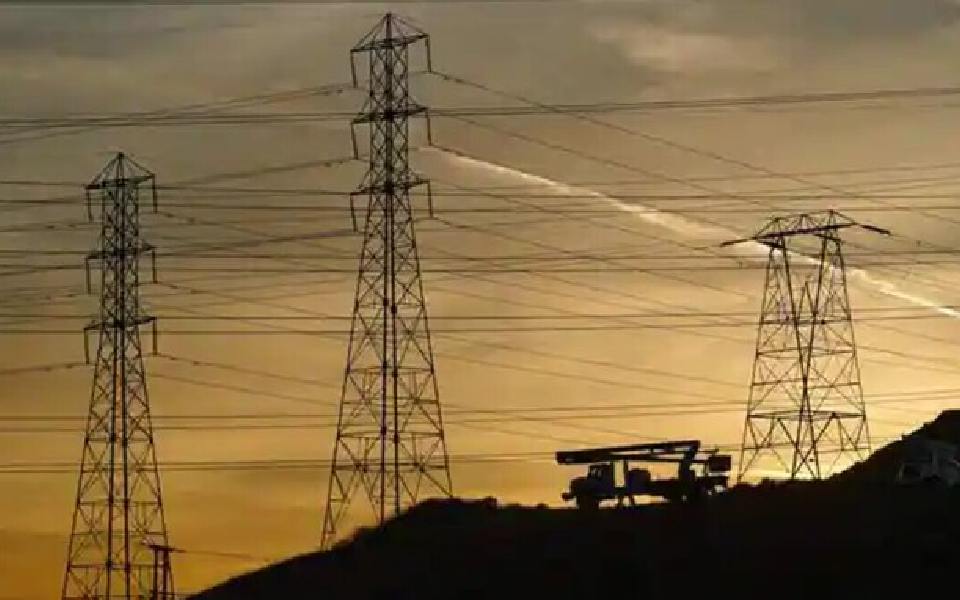
New Delhi, Jun 11: Several parts of the national capital, including the area housing the Delhi LG secretariat and Chief Minister's residence, faced outages for varying lengths as a substation of power grid in neighbouring UP's Mandola caught fire Tuesday afternoon, officials said.
Power distribution company officials said several areas, largely in central and east Delhi, were affected due to the failure. Some areas in north Delhi also faced outages.
"Areas likely Civil Lines, Model Town, Kashmiri Gate, Gulabi Bagh, Shakti Nagar and Vijay Nagar in North Delhi faced outages. The supply was resumed within an hour," said a discom official.
He said the power supply of the LG House and CM's residence was also briefly affected.
Areas in east, central, south and north Delhi like ITO, Laxmi Nagar, Lajpat Nagar, Jamia, Narela, Model Town, Rohini, Gopalpur, Sabzi Mandi, Wazirpur, and Kashmiri Gate also faced outages, he said.
Delhi Power Minister Atishi termed the occurrence extremely worrying and said she would meet the Union Power minister and chairman of Power Grid Corporation to ensure the prevention of such a situation.
In a letter to Union Power minister Manohar Lal Khattar, Atishi said that because of the fire at Mandola, there was a power outage of nearly two hours in several parts of Delhi, including Wazirabad, Kashmere Gate, Geeta Colony, Harsh Vihar, Preet Vihar, IP Power, Rajghat, Narela, and Gopalpur.
Delhi, besides being the national capital and housing political leaders and the entire Union government machinery, is also the home of more than 3 crore people, she said.
"In this scenario, it is a matter of grave concern that the failure of the national grid caused a power outage of two hours in the national capital. Due to the prevailing heatwave conditions, the need for uninterrupted electricity supply to Delhi is of paramount concern," Atishi said.
The power infrastructure is a vital indicator of the economic development of a country and therefore, it is extremely worrisome that the national power grid experienced such a "massive failure," she added.
Earlier in a post on X, the Delhi Power minister said the fire at the sub-station of Power Grid Corporation of India Ltd (PGCIL) in Mandola near Loni (Ghaziabad) in Uttar Pradesh had led to power outages in many parts of the national capital.
"There is power outage in many parts of Delhi from 2:11 pm. This is due to a fire at sub-station of Power Grid Corporation of India Ltd (PGCIL) in Mandola, UP. Delhi receives 1200 MW of power from the Mandola sub-station, and therefore many parts of Delhi have been affected. The power restoration process has begun and electricity is now gradually returning to different areas.
"The Delhi government has always tried to provide electricity 24x7. A few weeks ago, the peak power demand of 8300 MW was also met without any blackout. But today there was a power cut in Delhi due to the National Power Grid and we will take immediate action on this," she wrote in a statement.
Power discom Tata Power Delhi Distribution Limited said in a statement that power supply in its areas was swiftly restored.
The fire incident impacted the power supply at DTL Grid sub-stations in Gopalpur, Sabzi Mandi, Kashmiri Gate and Narela affecting power supply in areas of TPDDL, it said.
"This led to disruption of power in areas like Narela, Bhalaswa, Burari, Badli, Dheerpur, Shakti Nagar, Swiss apartment, Civil Lines, Model Town, Kashmiri Gate, Shahjada Bagh, Delhi University, GTB Nagar area, Mukherjee Nagar & Jahangirpuri resulting into load shedding of 440 MW and affecting approx. 4 Lakh consumers," it said.
The discom started restoration work immediately completed it within an hour, it added.
Let the Truth be known. If you read VB and like VB, please be a VB Supporter and Help us deliver the Truth to one and all.
Congress continues disciplinary action; four Youth Congress district presidents removed
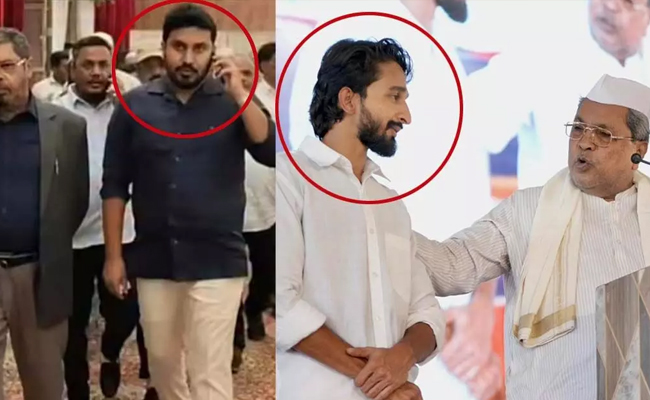
Bengaluru: The Congress high command has continued disciplinary action following allegations of anti-party activities after the by-elections to the Davangere South and Bagalkot Assembly constituencies.
The All India Youth Congress Committee has taken action against four district presidents are Syed Afrid Pasha (Kolar), Ashok B. Nayak (Vijayanagar), Nikhil Raj (Tumakuru), and Syed Abrar (Mysuru City).
The order states that the leaders were found to be inactive in party activities and had failed to discharge their responsibilities effectively. They have been temporarily relieved of their duties.
Earlier, MLC Abdul Jabbar was suspended from primary membership over alleged anti-party activities during the Davangere South by-election, while senior leader and MLC Naseer Ahmed was relieved of his role as the Chief Minister’s political secretary.
The latest action has drawn reactions from some community leaders and party members, with concerns raised over the leadership’s decisions.