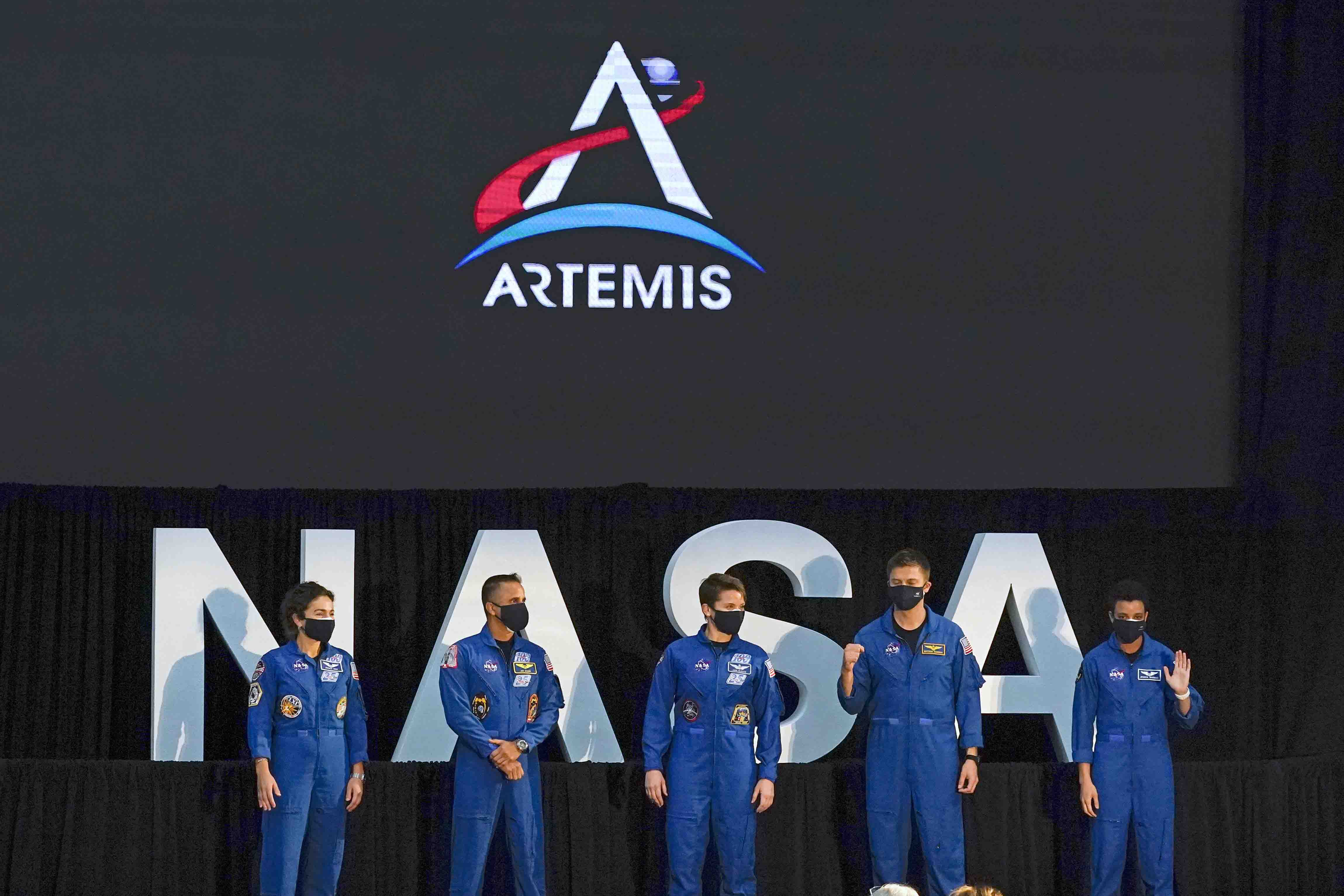
Cape Canaveral (US): NASA has named the 18 astronauts half of them women who will train for its Artemis moon-landing programme.
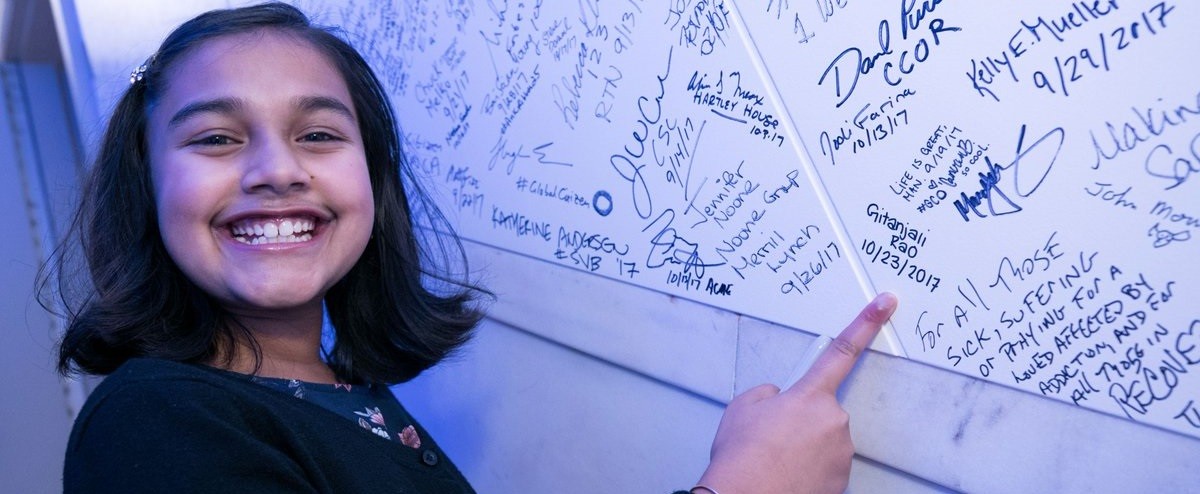
New York: 15-year-old Indian-American Gitanjali Rao, a "brilliant" young scientist and inventor, has been named by TIME magazine as the first-ever ‘Kid of the Year' for her “astonishing work using technology to tackle issues ranging from contaminated drinking water to opioid addiction and cyberbullying”.
Infant mauled to death by stray dog in Karnataka’s Bidar
2025 Leh violence: Judicial inquiry nears completion, 93 witnesses examined
Indian sailor killed in dhow fire near Strait of Hormuz
Kejriwal slams PM Modi over ED raids against Punjab Industries Minister Sanjeev Arora
Ranchi: Death toll in Giridih accident rises to five
Suvendu Adhikari takes oath as first BJP CM of West Bengal
PM arrives at Brigade Parade Grounds for swearing-in ceremony of BJP's first govt in Bengal
AMMK chief files plaint against TVK over 'forged' support letter
KSRTC introduces gender ticketing in buses across Kerala
Axar shifts focus to next IPL after KKR all but end DC's campaign
Lt Gen NS Raja Subramani to be India's next Chief of Defence Staff
Real Madrid fines Valverde and Tchouaméni half a million euros each for altercation
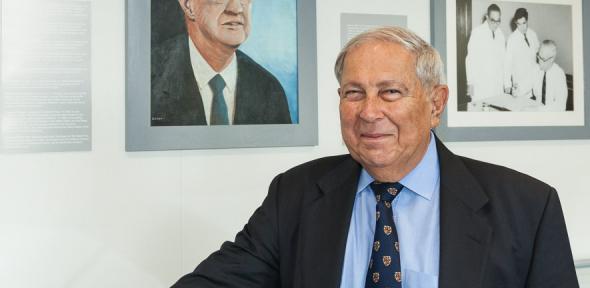
London: In recognition of his generous benefaction , the University of Cambridge announced on Tuesday that its chemistry department will be named after Indian pharmaceutical major Cipla's non-executive chairman Yusuf Hamied until 2050.
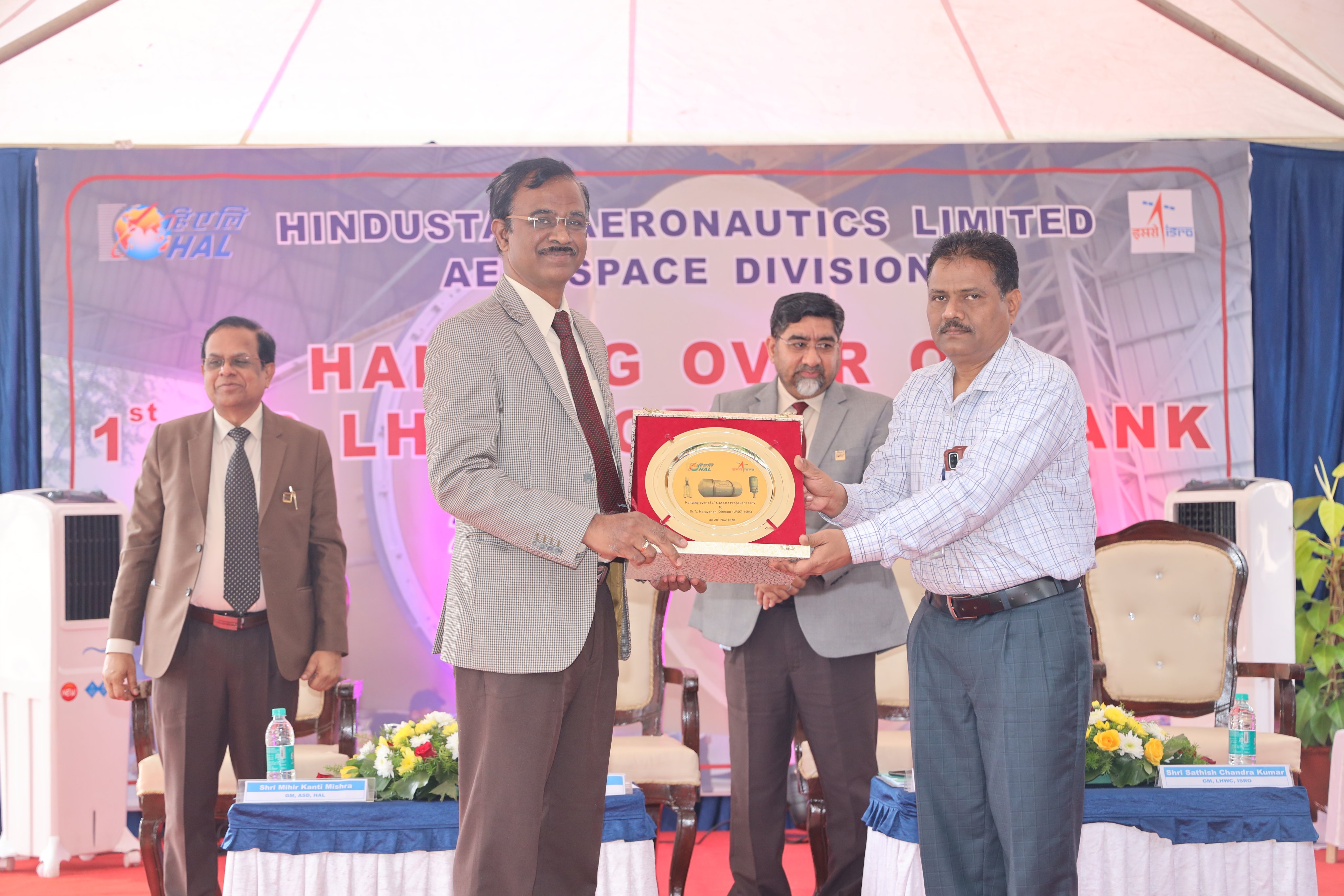
Bengaluru: Hindustan Aeronautics Limited on Monday said it has delivered the biggest cryogenic propellant tank (C32 LH2) ever fabricated by the company to ISRO, much ahead of the contractual schedule.
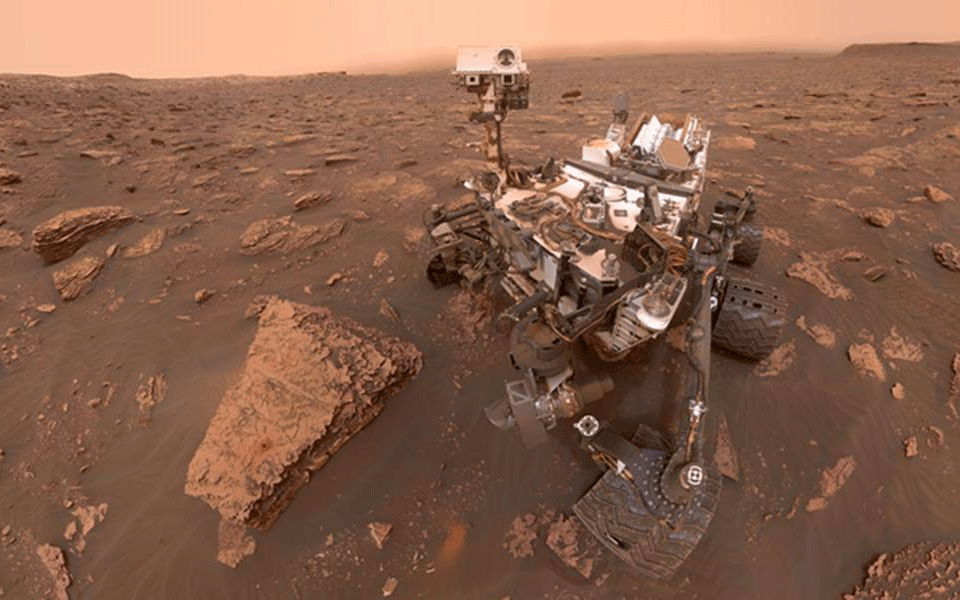
Giant flash floods once washed through Gale Crater on Mars' equator around four billion years ago, according to a study which hints at the possibility that life may have existed on the Red Planet.
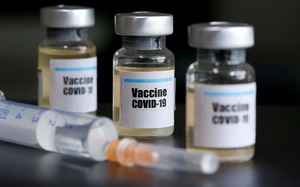
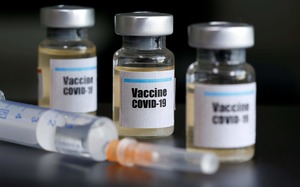
New York: Global drugmakers Pfizer and BioNTech said on Wednesday their COVID-19 vaccine candidate is 95 percent effective, including in people over 65 years of age, a major announcement coming just two days after Moderna said its virus vaccine has an efficacy rate of 94.5 percent.
Boston: Microsoft said it has detected attempts by state-backed Russian and North Korean hackers to steal valuable data from leading pharmaceutical companies and vaccine researchers.
New Delhi: The extremely low temperature of minus 70 degrees Celsius required for storing a potential COVID-19 vaccine developed by Pfizer poses a big challenge for its delivery in a developing nation like India, especially in its smaller towns and rural areas where maintaining such cold chain facilities would be very difficult, AIIMS Director Dr. Randeep Guleria said on Wednesday.
New Delhi: In a first, the Delhi Metro, starting Thursday, will provide on social media real-time average waiting duration at a few busy stations during morning and evening peak hours, officials said.
Hyderabad:: Sputnik V vaccine for COVID-19, being developed by Russia's Gamaleya National Research Institute of Epidemiology and Microbiology, has demonstrated an efficacy rate of 92 percent.